Fonterra Elections 2026: Voting Opens Tuesday 20 October
Fonterra shareholders can begin voting on Tuesday 20 October in the 2026 Board of Directors’ election, a Co-operative Council election in one Ward, and seven Annual Meeting resolutions.
 increase font size
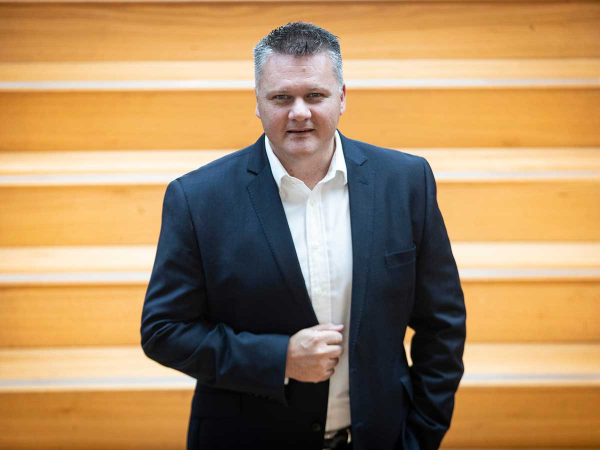 Fonterra chief executive Miles Hurrell told the annual meeting that the co-op had got its balance sheet into a healthier position and can now look more to the future.
An efficient New Zealand manufacturing base, diversified markets and a global supply chain helped Fonterra stay ahead of the game during the pandemic.
So said chief executive Miles Hurrell at the co-operative's annual general meeting in Invercargill last week. He claims that, as a result, Fonterra got its balance sheet into a healthier position and can now look more to the future.
"As an intergenerational business, that's incredibly important," says Hurrell.
"We leaned on a number of the co-op's strengths to get us to this position.
"And these strengths have been invaluable as we've faced into the challenges and flow-on effects of Covid."
Hurrell says the NZ manufacturing network and team provided a huge amount of optionality in terms of the products they can make.
"Our people are focused on driving efficiency and improving performance at each of our plants. This continuous improvement creates more value, which flows through into the farmgate milk price."
He claims another huge asset is the co-op's diversification across channels and markets.
Hurrell noted that last year, volumes and earnings were "more or less evenly split" across three regions (Asia/Pacific, Africa/Middle East and Greater China) and three channels (ingredients, food service and consumer).
"This diversification allows us to allocate milk into the products and markets that generate the best overall returns for the co-op," he explained.
In 2021, Fonterra allocated 15% more milk into Greater China and 6% less into Africa/Middle East.
"We did this because that's where demand was the strongest."
Hurrell says Fonterra's third strength is its global supply chain - including Kotahi, a joint venture with Silver Fern Farms.
"It's because of our scale that Kotahi could partner with Maersk shipping line and the Port of Tauranga. And it's because of this partnership that our co-op could continue to get product to our customers last year," he notes.
"With all the disruptions to the global supply chain, this was something our customers didn't take for granted and we saw this reflected in both milk price and earnings."
Fonterra shareholders can begin voting on Tuesday 20 October in the 2026 Board of Directors’ election, a Co-operative Council election in one Ward, and seven Annual Meeting resolutions.

Fonterra Co-operative Group chief financial officer Andrew Murray has resigned to take up a role outside the dairy giant.
Four candidates have been confirmed for two director positions on Fonterra’s board.
A record farmgate milk price and strong global demand is laying the foundation for continued growth of organic dairy farming in New Zealand.
Waikato milk processor Tatua has again declared a record milk payout to farmer shareholders, leaving other processors in the dust.


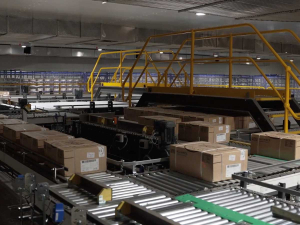
Alliance is calling for final applications for its 2027 Graduate Programme, with applications closing on Sunday 25 October.
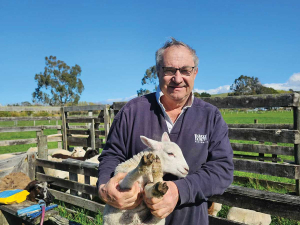
Decades piloting planes has ensured vet and farmer David Hayes is focused on safety. So, after a serious accident while welding on farm, he is sharing his experience so others can learn from it.
Canterbury milk processor, Synlait Milk has confirmed Leon Fung as its chief executive officer.
OPINION: Making it easier to collect rainwater and use it to grow crops and livestock is a no brainer.
As part of its Election 2026 coverage, Rural News asked political parties how they would help pull the arable sector out of the doldrums. Here's what they said:
Farmers are being encouraged to rethink how they manage waste on farm with the launch of ruralwastesorted.co.nz, a new website bringing together practical tips, real farmer experiences and resources.