El Niño Warning: NZ Farmers Urged to Plan Fert Early
Plan ahead and be patient. That’s the message to farmers and horticulturalists from the chairman of the NZ Agricultural Aviation Association, Kent Weir.
 increase font size
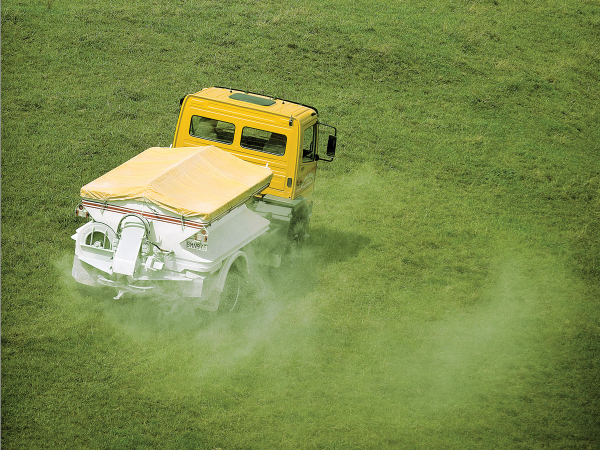 A company has been sentenced after a cloud of lime dust across a motorway caused a multi-vehicle crash which killed a driver.
A Bay of Plenty company has been sentenced after a dense cloud of lime dust across a motorway caused a multi-vehicle crash which killed a driver.
Wealleans Bay of Plenty Limited was spreading the lime at a dairy farm next to the Tauranga Eastern Link Road on 5 February 2020, when the cloud drifted across the motorway on the wind – reducing visibility to almost nothing.
Susan Walmsley’s vehicle was engulfed and collided with a car in front, and was then struck from behind. The 64-year-old never regained consciousness and died days later in hospital.
“Mrs Walmsley was a treasured wife and mother, as well as a beloved teacher, and our thoughts are with all those who continue to mourn her loss. This was a preventable tragedy, and more should have been done to account for the risk to road users,” says Worksafe’s area investigation manager, Paul West.
In June this year, Judge Paul Mabey QC found Wealleans guilty of health and safety failings, and the company was sentenced yesterday at Tauranga District Court.
In his decision, Judge Mabey noted the fertiliser truck driver “had no control over what the wind was doing to the product, but that is the point”.
The judgement went on to say the driver “was spreading in circumstances where the wind caused third party risk, was unaware of what was occurring before she stopped and when, finally, a decision to stop was made it was too late”.
A WorkSafe investigation found Wealleans failed to undertake an appropriate risk assessment and did not implement a safe system of work for spreading fertiliser on the farm, exposing others to serious injury and death.
“It’s only by luck that there were no further fatalities on the motorway that day. Although the circumstances are uniquely sad, this incident could have happened anywhere in the country so the agriculture sector more widely should take notice,” says West.
He says industry guidance is clear that there is a risk of wind drift.
“Agricultural lime is a dusty product that can cause a reduction in visibility, depending on how it is handled or local weather conditions. This risk should be assessed before use, including the impact on operators, farmers, nearby moving vehicles, and the public.”
Plan ahead and be patient. That’s the message to farmers and horticulturalists from the chairman of the NZ Agricultural Aviation Association, Kent Weir.
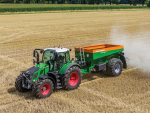
Amazone's ZG-TX combi spreader has been updated with several new features, centred around improved accuracy and easier operation.
When it comes to annual rebates, it's been a long time between drinks for Ravensdown shareholders.
A Palmerston North shearer has been sentenced to six months' community detention and 12 months' supervision after being found to have physically abused three lambs while shearing them.
Ravensdown has reported a net profit before tax and rebate of $50.1 million for the year ended 31 May 2026.



Fonterra Co-operative Group chief financial officer Andrew Murray has resigned to take up a role outside the dairy giant.
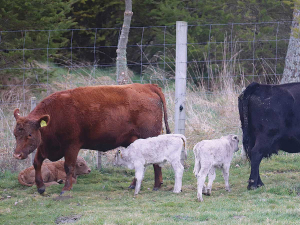
A major move is about to get underway to improve the quality and viability of dairy beef and cattle in NZ.
Veterinarians say changes to the code of welfare for dairy cattle provides a positive foundation for improved cattle welfare across the country.
Today, 15 October, is the International Day of Rural Women, which recognises rural women’s contribution to farming, communities and the environment.
Global dairy giant Lactalis has integrated its Australian operations with the Mainland Dairy consumer business it acquired from Fonterra earlier this year.
High country stations, mixed sheep and beef farms, Māori-owned farms, corporates and family operations are among the nine commercial farms taking part in the Livestock Innovation Farming Transformation programme, known as LIFT.