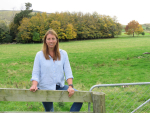
M.I.A.
OPINION: The previous government spent too much during the Covid-19 pandemic, despite warnings from officials, according to a briefing released by the Treasury.
 increase font size
 Connectedness and belonging helped people in rural communities stay positive over the Covid-19 pandemic.
According to the recently released Te Hiringa Mahara Mental Health and Wellbeing Commission report, the impact of Covid-19 has added additional stress to the wellbeing of rural communities in New Zealand.
Around 16% of the country's population live in rural areas and around 35% in total live outside of large urban areas, with higher figures for Māori. The Covid-19 pandemic has had large impacts on these communities, exacerbating pre-existing challenges across healthcare services as well as highlighting and compounding stress farmers and growers were already experiencing.
Te Hiringa Mahara director of wellbeing system leadership and insights Dr Filipo Katavake-McGrath said the geographies, economies and cultures of rural communities present challenges to mental health and wellbeing outcomes.
"This is particularly true with respect to isolation and connectivity, workforce challenges in the economy and health services and uncertainty in rural economies."
Poor connectivity meant more people were struggling to get help, advice and support; with older people even less likely to be online, the closure of social hubs such as schools and libraries during lockdowns also had large impacts on communities.
McGrath says the report highlights the challenges presented to the rural community by these issues and with a higher rural population rural issues were disproportionately affecting Māori.
"It is important to remember that life has not 'returned to normal' and the need for support has not gone away. On a positive note, connectedness and belonging have helped people in rural communities stay positive over the Covid-19 pandemic. Strong local connections are a source of strength and support; and this is highlighted in rural Māori and Pacific communities."
During lockdowns, iwi, marae, communities banded together to support one another; share information, food and resources and reduce some of the worst psychological impacts of the pandemic.
"By working together, and engaging with government agencies and resources, rural communities have taken practical action to protect and support themselves. To keep the momentum going, we call for greater involvement of rural communities (particularly rural Māori) in planning and decision-making and better understanding of the diverse needs, challenges and experiences of rural communities."
OPINION: The previous government spent too much during the Covid-19 pandemic, despite warnings from officials, according to a briefing released by the Treasury.
OPINION: Labour leader Chris 'Chippy' Hipkins is carrying on the world-class gaslighting of the nation that he and his cohorts started after their disastrous Covid response; now trying to undermine the Covid inquiry to protect his own backside.
OPINION: Did former PM Jacinda Ardern get fawning reviews for her book?
OPINION: Welcome to the second annual NZ Dairy Expo at Matamata – an event created to bring together the best of the New Zealand dairy industry in a focused, grassroots environment where dairy farmers and rural professionals can meet, talk, compare products, and make smart decisions for their farms.
It's a bloody tough year for sheep farmers, but the worst may be over, and the future looks optimistic.


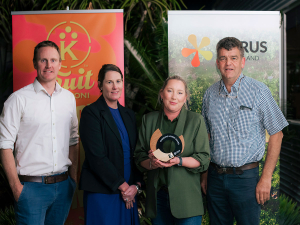
New Zealand's citrus growers were challenged to build their future on the value embedded in their fruit rather than the volume they produce, at Citrus New Zealand's annual gathering in Gisborne on 17 September.
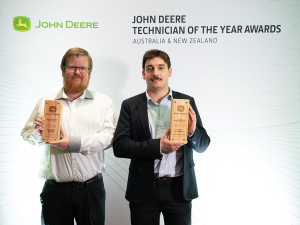
Leading John Deere technicians and apprentices from New Zealand and Australians were recognised at the recent sixth annual JD Technician of the Year Awards, held in Brisbane.
In Dacre, near Invercargill in New Zealand’s South Island, Bruce Dinnington is running a dairy operation unlike any other.
A free online platform aggregating governance vacancies across rural and regional New Zealand has been launched.
Environment Minister Nicola Grigg has announced details of a new rural plastics recycling scheme.
Agricultural drone operators say that a government decision to allow lower-risk drone work without certification won’t lower standards but drive innovation and efficiency.