Beef + Lamb New Zealand (B+LNZ) says proposed changes to the Emissions Trading Scheme (ETS) will leave the door wide open for continued conversions of productive sheep and beef farms into carbon forestry.
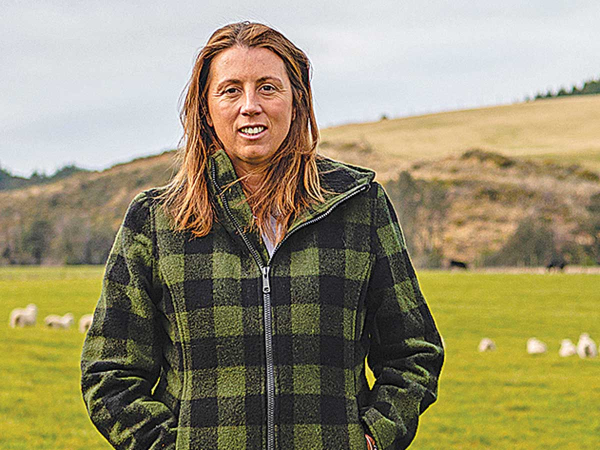
Kate Acland, chair of B+LNZ, says that while the Environment Select Committee has proposed tightening temporary exemptions that would allow land converted after 4 December 2024 to enter the ETS, it has not fixed land use class rules.
She says this is the section that drives most conversions.
"There was widespread feedback from the farming community during the select committee process that the proposed restrictions did not go far enough and it is incredibly disappointing that these concerns have not been listened to," Acland says.
She says the legislation will stop LUC 1-5 land from entering the ETS and cap new registrations on LUC 6 land.
However, she adds that it doesn't address where the bulk of the damage is being done.
Acland says that 89% of whole farm conversions to date have occurred on LUC 6-8 land.
Read More:
"This land is highly productive and vital to our sector," she says. "Without extending the moratorium to all land classes, productive sheep and beef farms will keep disappearing into carbon farming or be sold to foreign multinationals."
"The Government must listen to farmers and extend the moratorium on whole farm conversions to all land classes, not just LUC 1-5."
According to Acland, 300,000 hectares of sheep and beef farms have been sold to forestry interests, with a further 50,000 expected to be sold before the updated rules take effect.
"Without fixing these gaps, we will likely lose a million hectares by 2050, slashing stock numbers by more than 20%, and rural towns across the country will be hollowed out," she says.
B+LNZ analysis suggests that afforestation is responsible for 78% of the reduction in sheep and beef numbers since 2017.
New Zealand is one of only two countries in the world - alongside Kazakhstan - that allows unlimited forestry offsets in its ETS.
"We're not against forestry," Acland says.
"Our proposals don’t stop planting for harvest, they simply prevent the ETS from distorting land use decisions in ways that undermine food production and rural communities.”