Kiwifruit Growers Prepare for El Niño, Stay Optimistic
Kiwifruit growers are watchful but remain optimistic as concerns around the potential effects of the El Niño weather pattern this season.
 increase font size
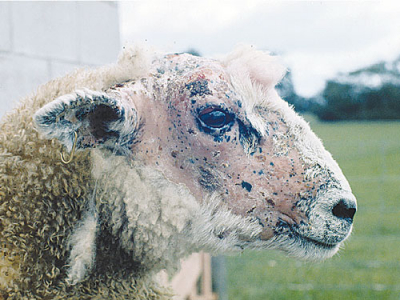 FE causes affected stock major skin, liver and production issues.
With NIWA signalling warm, wet conditions across the North Island over December, farmers are being encouraged to take preventive measures against facial eczema (FE).
FE is estimated to cost the country $200 million annually as affected stock suffer liver and skin damage, reduced fertility, reduced milk and meat production.
Above average temperatures and rainfall are ideal conditions for the fungus, which causes FE to thrive. Spore production occurs when soil temperatures exceed 12 degrees for three consecutive nights and soil moisture is favourable or air conditions are humid.
“After reduced milk production through the spring, the last thing farmers need is another potential brake on it as summer progresses,” says SealesWinslow science extension officer, Natalie Hughes. “Prevention is the best approach and starting early with zinc supplementation is a good tactic to get the best protection.
“It takes time to build up protective levels of zinc in animals, so dosing should start two to three weeks before you would expect spore counts to rise. Given NIWA’s outlook for warm wet conditions through to the end of the year, supplementation could be needed in early December.”
Hughes says zinc can be sprayed on pasture, dispensed in water, given in boluses or mixed into feed. However, she warns that long-term use can lead to copper deficiencies in the herd’s diet, which also leads to lost production.
“This can be overcome by using a product like SealesWinslow ZincMax+ which contains organic copper, as well as a peppermint flavouring to offset the bitter taste of zinc which can often make cows reluctant to drink the dosed water.”
Hughes also advises farmers that good pasture management can help guard against rising spore counts.
“Matching the rotation to feed supply will help ensure grass growth is optimised,” she explains. “When grass becomes too long, dead matter can accumulate at the base of the sward which will increase FE risk.”
Kiwifruit growers are watchful but remain optimistic as concerns around the potential effects of the El Niño weather pattern this season.

With forecasters advising El Niño conditions will develop through winter and strengthen into spring and summer, Ballance Agri-Nutrients is encouraging farmers and growers to think ahead about nutrient planning and be prepared to work around challenging weather conditions.
Scanning is a great time to start identifying and managing groups of ewes based on feeding priorities. Wormwise's Mary Bowron discusses some of the possible reasons ewes lose condition in early winter - and it's not necessarily internal parasites.
The Eliminating Facial Eczema Impacts programme recently hosted a webinar about the progress the sheep poo study has made in helping understand facial eczema (FE).
Recent weather events in the Bay of Plenty, Gisborne/Tairawhiti, and Canterbury have been declared a medium-scale adverse event.



Federated Farmers has welcomed new rural policies released by ACT, saying they align closely with its own election priorities.

Rural Contractors NZ says proposed changes to land transport rules for agricultural vehicles are a welcome response by the Government to out of date regulations which have seen members hit with huge fines.
Alliance is calling for final applications for its 2027 Graduate Programme, with applications closing on Sunday 25 October.
Decades piloting planes has ensured vet and farmer David Hayes is focused on safety. So, after a serious accident while welding on farm, he is sharing his experience so others can learn from it.
Canterbury milk processor, Synlait Milk has confirmed Leon Fung as its chief executive officer.
OPINION: Making it easier to collect rainwater and use it to grow crops and livestock is a no brainer.