Federated Farmers says any
increases in the NAIT levy must
achieve an accurate and userfriendly
system.
The NAIT Board is two years
into a five-year programme to
replace its database, provide more
regional and call centre support
and make the system more reliable
and easier to use.
“Nobody welcomes extra costs
but if OSPRI is to catch-up on
under investment in the NAIT
platform and deliver on its workability
and farmer support, levy
increases are probably necessary,”
Feds meat and wool chair William
Beetham says.
OSPRI is currently consulting
on proposals to increase the NAIT
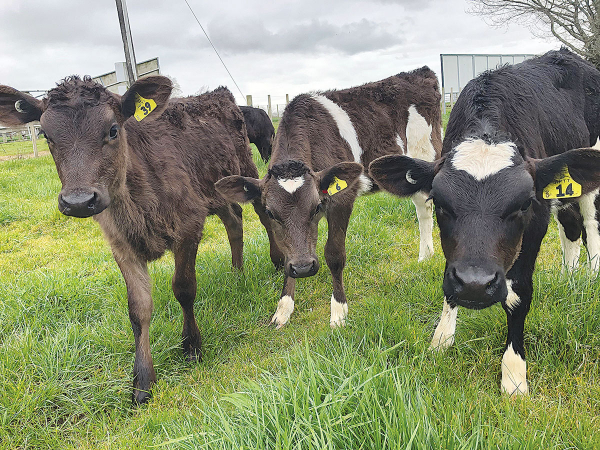
tag levy from 90 cents to $1.35 and
the slaughter levy from 50 cents to
$1.77. The initial levies in 2012 were
$1.10 and $1.35 respectively. In 2014,
the levies were dropped to the current
lower figures and haven’t been
reviewed since.
“It is frustrating for farmers to
see levies take big jumps due to historical
underinvestment in industry
assets such as NAIT. It would
be far better to have appropriate,
well-planned investment with gradual
increases in levies rather than
big increases to fix problems,”
Beetham adds.
“But now, if we’re to achieve a
user-friendly system that delivers
biosecurity critical to the sustainability
of our industry, we’ll need
to get the revenue in place and
hold OSPRI to account to deliver a
system that empowers farmers, not
frustrates them.”
Beetham says the bottom lines
for Fed are that the drive for an
accurate, up-to-date and reliable
animal tracing system should provide
direct benefits to farmers, particularly
as regards ease of use and
practicality.