Mary Bowron Named Best Sheep and Beef Vet of the Year
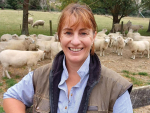
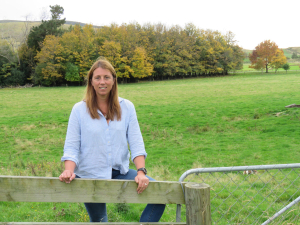
B+LNZ's Wormwise veterinarian Mary Bowron has won the Best Sheep and Beef Vet of the Year Award in recognition of her outstanding contribution to New Zealand’s sheep and beef sector.
 increase font size
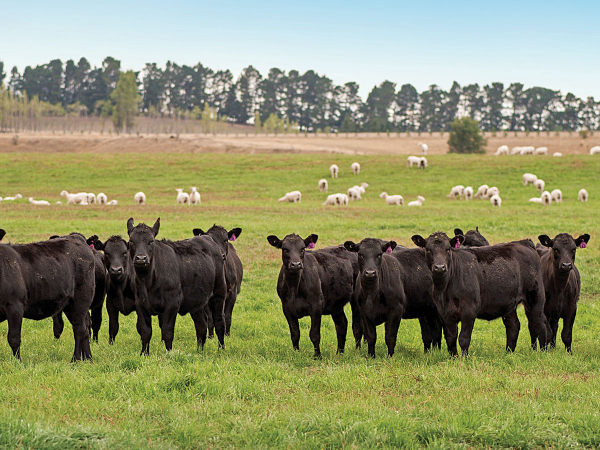 Keeping cow size moderate while maximising weight of finishing cattle at 18 months of age seems to be a bit of a pipe dream.
This is the second in a series of articles from Beef + Lamb New Zealand’s Informing New Zealand Beef programme.
The seven-year INZB partnership, supported by Beef + Lamb New Zealand and the Ministry for Primary Industries’ Sustainable Food and Fibre Futures fund, aims to boost the sector’s profits by $460m. Focused on increasing the use of highquality genetics in the beef industry, the four main components of the programme are developing New Zealand-specific breeding indexes, supporting the development of an across breed genetic evaluation and development of data infrastructure, running a beef progeny test and linking in data from commercial herds.
It's a simple job description for finisher cattle – grow big and be quick about it. We want moderate-sized calves born, uneventfully, to moderate-sized cows. And then one day when the weather is neither too wet nor too dry we want these little calves to burst forth like the Incredible Hulk into 600kg+ prime cattle.
But pesky biology wants to get in the way of our dreams…
The B+LNZ geneticists have pored over the growth data from nine years of running the Beef Progeny Test. They have found strong genetic correlations for mature live weight with 18-month weight (0.92) and carcase weight (0.82). So yes, cattle that are destined to be big guys and gals were big 18-month-olds and big on the hooks too. That is all well and good in finishing animals. An extra 30 kg of live weight as an 18-month-old puts them on track to be slaughtered a month earlier. But breeding for those baby Hercules at 18 months of age might also add an extra 46 kg of mature live weight to the next generation of breeding cows. Those bigger calves are likely to have equally bulky mothers and sisters who need more pasture to keep them going.
It means that keeping cow size moderate while maximising weight of finishing cattle at 18 months of age seems to be a bit of a pipe dream – at a correlation of 0.92 there just isn’t much room to move. However, 18-month-weight is not the same as carcase weight! The B+LNZ researchers have found that carcase weight EBVs only explain about 67% of the variation in mature weight. This means that there is a bit of wiggle room (see graph) for producing heavier carcases without increasing cow size.
The main challenge is to find the right balance between good carcase weights with cows that will work in your environment, highlighting the value of matching the right genetics to your herd. Recording more carcase data is important to help us identify those animals that are heavy on the hook from more moderate sized cows.
B+LNZ's Wormwise veterinarian Mary Bowron has won the Best Sheep and Beef Vet of the Year Award in recognition of her outstanding contribution to New Zealand’s sheep and beef sector.
With lambing underway in many regions, Beef + Lamb New Zealand is encouraging farmers to put together a wellequipped lambing kit to help minimise lamb losses, particularly in bad weather.
It's only just hit the market, but a new forage rape bred for dryland farms has already won the approval of lambs and young cattle both north and south.
New Zealand's Emissions Trading Scheme (NZ ETS) encourages afforestation while not achieving climate goals, says a new report released by the Parliamentary Commissioner for the Environment, Simon Upton.
Are you ready for El Nino? That’s the question asked by Beef+Lamb NZ’s Ian Tarbotton who leads B+LNZ’s farm extension service.


Farmgate lamb prices are down by 8%, beef cattle by 4.5% and farm expenditure up by 4.2%.
Kiwifruit growers are watchful but remain optimistic as concerns around the potential effects of the El Niño weather pattern this season.
Almond hulls sourced from Australian orchards may have the potential to help New Zealand cows reduce emissions, boost milk yield and lower input costs.
Striking a balance between meeting the needs of industry to speed up approval time for products but on the other hand ensuring that risks are properly assessed.
Surprised, humbled and quite thrilled. That’s the reaction of James Allen, one of the founding partners and now chief executive of AgFirst, on being made a life member of the Institute of Rural Professionals.