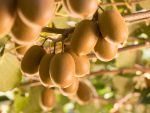
NZKGI Responds to Migrant Worker Exploitation Reports
Where any worker in the kiwifruit industry is mistreated, we expect the authorities to take action.



 increase font size
 Zespri chief executive Dan Mathieson.
Zespri returned almost $2 billion to New Zealand’s kiwifruit industry in the 2019/20 financial year.
The kiwifruit marketer’s 2019/20 financial results show total fruit and service payments, which are returns to the New Zealand industry, increased by 8% on the year prior $1.96 billion.
Zespri’s total operating revenue was $3.36 billion, up from $3.14 billion, with global revenue from fruit sales increasing by 7% to $3.14 billion.
This was based on the sale of 164.4 million trays of New Zealand and non-New Zealand-grown kiwifruit, a 2% reduction on the previous year.
Zespri made a net profit after tax of $200.8 million, up from $179.8 million in 2018/19.
The company’s board expects the total dividend for 2019/20 to be 94c/share, up slightly from 92c/share in 2018/19.
“Overall, 2019/20 was another strong year for Zespri with continued growth in our largest markets including Japan, Greater China and Europe,” says Zespri chief executive Dan Mathieson.
“On top of strong returns we achieved some real milestones last season including commercialising the new Zespri Red Kiwifruit variety, opening our new Head Office in Mount Maunganui, launching our new brand, announcing our sustainability targets and investing more than ever in communities,” he says.
Strong results across each fruit category
• The average Green per tray return increased to $6.67, with the average per hectare return for Green reaching a record high of $67,295.
• Organic Green reached an average return per tray of $9.88, with the average per hectare return reaching $63,734.
• The SunGold average return per tray increased to $11.86, and the average return per hectare was also a record $161,660.
• Sweet Green achieved an average return per tray of $7.66 and an average return per hectare of $43,550.
Where any worker in the kiwifruit industry is mistreated, we expect the authorities to take action.

Kiwifruit growers are watchful but remain optimistic as concerns around the potential effects of the El Niño weather pattern this season.
More signs of a booming kiwifruit sector.
After delivering a strong financial year, rural trader PGG Wrightson says the coming months will depend on customer confidence and weather.
New Zealand growers have always adapted to changing conditions, but one challenge is steadily gaining ground across the horticulture sector: resistance.



A major move is about to get underway to improve the quality and viability of dairy beef and cattle in NZ.
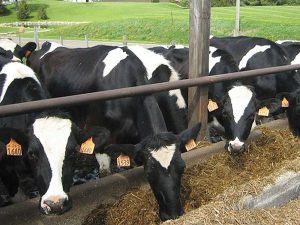
Veterinarians say changes to the code of welfare for dairy cattle provides a positive foundation for improved cattle welfare across the country.
Today, 15 October, is the International Day of Rural Women, which recognises rural women’s contribution to farming, communities and the environment.
Global dairy giant Lactalis has integrated its Australian operations with the Mainland Dairy consumer business it acquired from Fonterra earlier this year.
After almost two decades of sharemilking, saving and building equity, Aaron and Marcia Flay this year realised their long-held dream of settling on their first dairy farm.
Good medium to long term prospects for NZ beef, especially in the US, has heighted the focus on various initiatives to capitalise on this situation.


OPINION: The same mainstream media muppets that brought you Jacindamania in 2017 have been flat out pimping for the Opportunities…
OPINION: Your old mate reckons the atrocious way farmers in the UK are treated by their lords and masters in…




