NZ Apple Sector Pushes for Japan & Korea Market Access
The apple sector is working with the Government to unlock access to two key markets that could bring millions in revenue for apple growers.
 increase font size
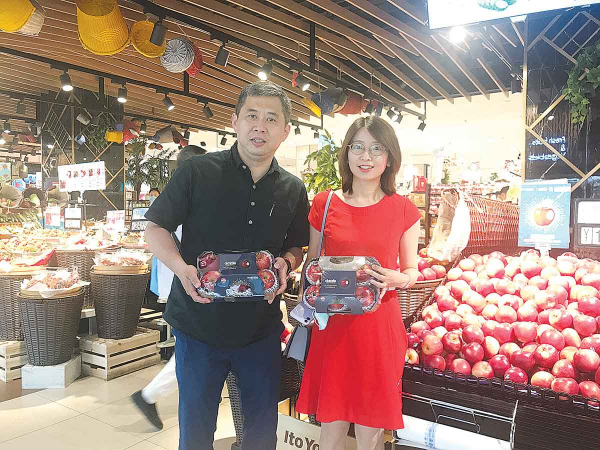 Jacky Qin, Bostock New Zealand sales representative in China with Vera Chen, NZTE business development manager.
New Zealand’s largest organic apple producer says it cannot keep up with the Chinese demand for New Zealand’s newest apple, Dazzle.
Bostock New Zealand owner John Bostock says Dazzle is the best apple he has ever grown organically in his 30 years of growing organic apples.
“Without any doubt, I believe this is the best apple since the worldwide domination of New Zealand Royal Gala. It looks and tastes amazing, it’s bright red and sweet and it also yields and packs well.”
It’s the first year the company has had commercial volumes of organic Dazzle apples available for Chinese retailers.
“We have been thrilled and delighted with the demand and reception in Asia despite these tough unprecedented times with Covid-19,” Bostock says. “We think in normal times Dazzle is going to be even better.”
Bostock New Zealand has invested heavily in Dazzle apple plantings and will have 600,000 cartons in the next five years.
Bostock International market manager Jane MacLean says the demand this season has also been driven by the continued growing awareness of organic produce in China.
“Organics has been big this year in China in the wake of Covid-19. It has pushed more consumers to search for safer food options with personal health becoming even more of a focus,” she says.
“We have seen the demand for our organic Dazzle increase significantly as a result.”
The Dazzle apple is a large, red, sweet apple which has taken 20 years to develop by Plant and Food Research in New Zealand and is targeted at the Asia market. New Zealand’s largest apple growers see it as one of the biggest apple developments in New Zealand since the launch of Royal Gala decades ago.
“It’s sweet, it’s red and it’s crunchy. It is everything that the China market wants and is providing the perfect eating experience for Chinese consumers,” Maclean says.
“It also has a long supply window. We can sell Dazzle in the markets from April through to September with very few quality issues. It’s not like some of the other apple varieties which need to be sold quickly as they don’t store well. Dazzle also ensures less wastage for the retailers, so it’s an attractive option for them.”
Chinese demand growing
Bostock New Zealand has been selling organic apples direct to Chinese retailers for five years and Jane MacLean says this model is working well for Dazzle.
“We have six major Chinese retailers who are buying our apples directly and work with service providers to supply into other supermarket chains.
These are a mix of online and offline customers. We have some exciting new packaging and have recently launched in-store marketing programmes across China. This gives retailers confidence that we have made a significant investment and are backing Dazzle.
Costco China is selling Bostock Organic Dazzle this year and has been very happy with the customer feedback so far.
“Costco is a big organic customer for Bostock in several different countries. In China, Costco have partnered with Bostock to really push and promote the organic apple category to mainstream consumers. This is very positive for Bostock New Zealand,” says McLean.
Bostock New Zealand is also exporting Dazzle to other South East Asian countries, North America and Russia.
The apple sector is working with the Government to unlock access to two key markets that could bring millions in revenue for apple growers.

For over 50 years Mel Ewers has been supporting the apple sector navigate through compliance and quality assurance issues.
New Zealand apple and pear industry stakeholders are out in force for the annual conference in Queenstown.
China remains New Zealand’s biggest market, taking $23 billion of our exports, but it’s no longer a commodity story, says Prime Minister Christopher Luxon.
Fonterra is strengthening its foodservice presence in China with the launch of a new cream for professional bakeries at Bakery China 2026 in Shanghai.



Entries opened on Monday, 5 October 2026 for the 2027 New Zealand Dairy Industry Awards (NZDIA), which organisers describe as the nation's biggest celebration of excellence in the dairy sector.
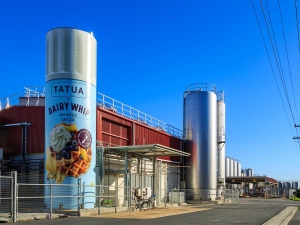
Waikato milk processor Tatua has again declared a record milk payout to farmer shareholders, leaving other processors in the dust.
A Labour-led Government won’t be bringing back the controversial freshwater rules of 2020.
National’s much-touted free trade deal with India featured in the Rural Issues Debate at Mystery Creek, Hamilton on Wednesday night.
New Zealand's 2026-27 freshwater fishing season has opened, with anglers encouraged to head to rivers and lakes over the coming days as conditions look favourable across much of the country.
Central Otago District Council (CODC) has voted against a plan to spread treated sewage sludge from Cromwell and Alexandra on farmland near Lauder, a decision Federated Farmers says reflects strong opposition from rural residents.