Digging Deep Into Soil Education
OPINION: "The worst thing that agriculture does is take land from nature."
 increase font size
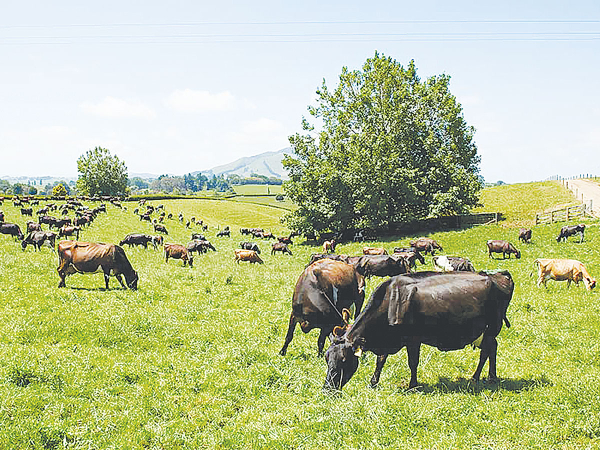 Leaching through soil is one of the biggest nutrient loss risks.
OPINION: Good nutrient management will keep nutrients cycling within the farm system and reduce losses to the environment to the bare minimum.
We’re now almost at the end of spring, when nutrients are most at risk of leaving farms due to high rainfall, low pasture growth, lots of stock urine being deposited, soil compaction and pugging. That risks farm production and damaging the health of waterways and groundwater.
Some nutrients are more prone to loss than others, depending on the nature of the nutrient, soil type and climatic conditions. Helping to handle those risks smartly, thereby boosting production while protecting fresh water, is what good nutrient management is all about.
Leaching through soil is one of the biggest nutrient loss risks. Nutrients like nitrogen, potassium, calcium, magnesium and sulphur can leach with drained water.
It occurs when soluble nutrients are leached through the root zone into deeper layers of the soil and they become inaccessible to plant roots. The leaching risk depends on various factors such as soil type, total rainfall, extreme weather events and the actual quantity of soluble nutrients present in the soil.
Don’t oversupply the soil with such types of soluble nutrients, especially not during winter, as there is a very high risk of these getting washed out through the soil and lost from farm systems.
A good understanding of the processes and terminology involved with nutrient cycles is important for budgeting and management.
For nitrogen, one of the key nutrients that both grows grass and can harm waterways, there are two important processes – immobilisation and its opposite, mineralisation.
Immobilisation is the conversion of plant available nitrogen into organic forms, while mineralisation is the conversion of soil organic nitrogen into plant available forms such as nitrate and ammonium.
These processes are controlled by microbes, and the degree of their activity, in the soil. This activity is influenced by soil temperature – lower the temperature, lower the activity and greater the loss of nutrients.
Another point about nitrogen is that, generally, there will be an increase in nitrate leaching with increasing rate of nitrogenous fertiliser.
Phosphorus loss, on the other hand, mainly occurs from erosion and runoff. Research has revealed that phosphorus losses will be high in soils with high Olsen-P levels and also on steep to rolling country. Managing these optimum levels and controlling soil erosion are keys to helping prevent this.
Intensive winter grazing by sheep, cattle and deer can have impacts on the environment, including loss of soil and associated sedimentation of waterways, nutrient loss and damage to soil structure due to pugging. Some of the mitigations to avoid these impacts are use of catch crops, vegetative buffers between winter grazing and waterways, reduction of grazing duration per day, strategic grazing, and the use of mixed species in forage paddocks.
Overall, the ongoing challenge is to ensure our farming systems efficiently cycle nutrients. Smart nutrient management practices for all land uses and activities has the potential to bring about substantial improvements in the quality of our water resources and profits.
Bala Tikkisetty is Principal Sustainable Agricultural Advisor at Waikato Regional Council, phone 0800 800 401 or email This email address is being protected from spambots. You need JavaScript enabled to view it.
OPINION: "The worst thing that agriculture does is take land from nature."
With the pressure of winter and spring behind us, and the groundwork laid, now is a good time for many farmers to pause, check progress against plan, and think ahead to ensure resilience for whatever summer and autumn may bring.
OPINION: Soil is one of the most valuable assets that a farmer has. It is our collective responsibility to make use of soils without damaging either the soil or any other part of our environment, protecting them for our own use and use by future generations.
A study arising from a partnership with Ravensdown, AgResearch and Ngāi Tahu Farming, has created a benchmark approach to testing the health of soils.
OPINION: One teaspoon of soil contains more living organisms than there are people in the world and New Zealand loses about 192 million tonnes of soil to the ocean every year.


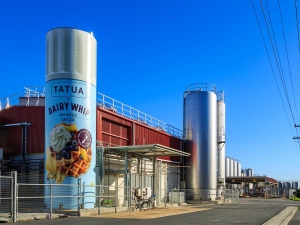
Waikato milk processor Tatua has again declared a record milk payout to farmer shareholders, leaving other processors in the dust.

A Labour-led Government won’t be bringing back the controversial freshwater rules of 2020.
National’s much-touted free trade deal with India featured in the Rural Issues Debate at Mystery Creek, Hamilton on Wednesday night.
New Zealand's 2026-27 freshwater fishing season has opened, with anglers encouraged to head to rivers and lakes over the coming days as conditions look favourable across much of the country.
Central Otago District Council (CODC) has voted against a plan to spread treated sewage sludge from Cromwell and Alexandra on farmland near Lauder, a decision Federated Farmers says reflects strong opposition from rural residents.
Pāmu has released its FY26 Integrated Annual Report, reporting a Net Operating Profit of $113 million, more than double the $49 million recorded in FY25.