
Make It Up!
PM Chris Luxon can't seem to buy a trick when it comes to the polls, particularly for his own approval rating as preferred Prime Minister.
 increase font size

Kiwi farmers are not the only ones nervous about their future as a result of politicians throwing them under the harvester.
The first victims of the trade spat between the US and China were farmers, as China retaliated to US tariffs with tariffs on US commodities. President Trump has promised handouts to soften the losses by US farmers, but it won’t be enough. Farmers (and their suppliers) are hurting.
Gary Wertish, president of the Minnesota Farmers Union, said “Words and Twitters and tweets don’t pay farmers’ bills. That doesn’t solve the problem. This one’s self inflicted by our President, and though we definitely agreed with him at the beginning, it doesn’t appear there’s a plan B.”
And Lindsay Greiner, president of the Iowa Soybean Association, said “Short term, stair stepped subsidies are a poor remedy for trade. They stimulate production but not sales and so do little to undo the long term log jam.”
Meanwhile, China is not starving, it is simply buying more grain from Brazil and Argentina.
PM Chris Luxon can't seem to buy a trick when it comes to the polls, particularly for his own approval rating as preferred Prime Minister.

China remains New Zealand’s biggest market, taking $23 billion of our exports, but it’s no longer a commodity story, says Prime Minister Christopher Luxon.
Fonterra is strengthening its foodservice presence in China with the launch of a new cream for professional bakeries at Bakery China 2026 in Shanghai.
OPINION: When Donald Trump returned to the White House, many people with half a brain could see the results for the world might be a bit average, and our boy has been busy trying to prove them right.
OPINION: "We are back to where we were a year ago," according to a leading banking analyst in the UK, referring to US president Donald Trump's latest imposition of a global 10% tariff on all exports into the US.


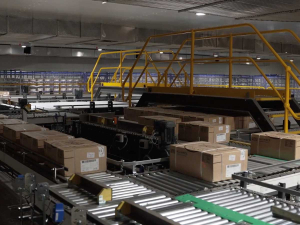
Alliance is calling for final applications for its 2027 Graduate Programme, with applications closing on Sunday 25 October.
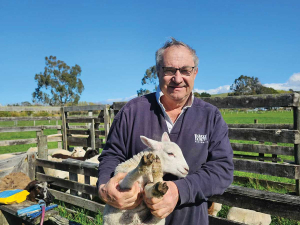
Decades piloting planes has ensured vet and farmer David Hayes is focused on safety. So, after a serious accident while welding on farm, he is sharing his experience so others can learn from it.
Canterbury milk processor, Synlait Milk has confirmed Leon Fung as its chief executive officer.
OPINION: Making it easier to collect rainwater and use it to grow crops and livestock is a no brainer.
As part of its Election 2026 coverage, Rural News asked political parties how they would help pull the arable sector out of the doldrums. Here's what they said:
Farmers are being encouraged to rethink how they manage waste on farm with the launch of ruralwastesorted.co.nz, a new website bringing together practical tips, real farmer experiences and resources.