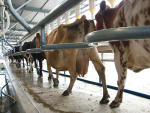
Why Now Is the Time to Plan Farm Succession, Findex Says
OPINION: Succession and long-term planning are perennial topics because it is perpetually sidelined on busy farms.
 increase font size
OPINION: It was only in 2018 that the Chinese Government embarked on a mission to lift domestic milk production and stop billions of dollars from leaving the country and into the hands of exporters like New Zealand.
It paid off. Chinese net total dairy product import volumes fell 15.7% year on year in 2023, with imports of whole milk powder - a major New Zealand export product - down 395.
However, six years later over-leveraged Chinese farmers are dumping milk and culling cows because it’s no longer financially viable to be a dairy farmer.
Demand for milk has fallen in China because of a slowing birth rate and a broader pullback in consumer spending, a hallmark of China’s struggle to recover its economy.
Now, the Government is rolling out stimulus packages to help dairy farmers.
A drop in China’s milk production may be good news for NZ exporters. China’s pain could be NZ’s gain.
OPINION: Succession and long-term planning are perennial topics because it is perpetually sidelined on busy farms.
OPINION: Being a stock manager of a Government MP's farm can come in handy.
OPINION: Groundswell's opinion of the incumbent farm industry representatives isn't high.
Farms across the upper North Island are trialling different pasture mixes as part of a research programme that aims to build greater resilience into farming systems.


Beef + Lamb New Zealand says the National Party’s agriculture plan provides a strong basis for lifting productivity, supporting rural communities and recognising the sheep and beef sector’s environmental track record.

Wools of New Zealand chief executive John McWhirter says its new direct-to-consumer wool carpet service, Laneve, is the next step in the development of the business.
The New Zealand-India Free Trade Agreement entered into force today, improving market access for New Zealand businesses across a wide range of sectors.
Vetekina Pau'u is the first Tongan to win the William Gearish Memorial prize and sadly she will also be the last recipient.
Things are looking up in the dairy goat sector.
As the India-New Zealand free trade agreement enters into force, New Zealand’s apple industry has reaffirmed its commitment to the long-term development of India’s apple sector.