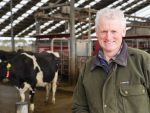
Inside the Southland Dairy Farm Where Robots and Pasture Work Together
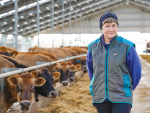
In Dacre, near Invercargill in New Zealand’s South Island, Bruce Dinnington is running a dairy operation unlike any other.
 increase font size
OPINION: Could beef cows play an increasingly important role in improving profitability and resilience on hill country farms?
Hill country farms - steep, harder-to-manage land - have traditionally relied heavily on sheep, but that balance is changing.
Beef cow numbers are starting to recover across the country. This reflects a mix of better prices for farmers, ongoing labour shortages and the practical benefits cattle bring to pasture management and parasite control in sheep farming.
For many of these farmers, cattle are an appealing option because they can simplify operations without reducing overall returns. Good news too for dairy farmers selling young stock to be raised for beef.
In Dacre, near Invercargill in New Zealand’s South Island, Bruce Dinnington is running a dairy operation unlike any other.
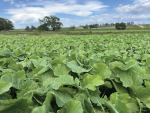
It's only just hit the market, but a new forage rape bred for dryland farms has already won the approval of lambs and young cattle both north and south.
OPINION: It appears to be difficult for people who haven’t tried to run a business to understand the difference between assets and cash.
The arable sector losing good people and land is a major concern for the 2026 Arable Farmers of the Year, Mid Canterbury seed growers John and Mel McCaw.
When Simon Hales discovered triple drench resistance on his Weber farm, it was a catalyst to fast-track farm system change.


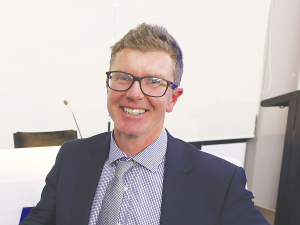
LIC shareholders have elected a new North Island representative to the co-operative's Board, along with five representatives to its Shareholder Reference Group (SRG), following the company's Annual Meeting held in Invercargill.
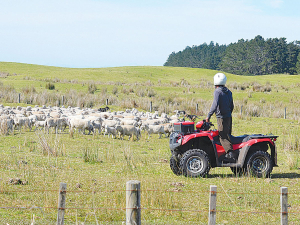
Farmers across parts of Southland and South Otago are continuing to deal with difficult conditions after a prolonged run of wet weather, with pressure building around feed supply, stock management, pasture damage, farm infrastructure and everyday workloads.
Federated Farmers says it welcomes Labour's commitment to reviewing the Sharemilking Agreements Act, calling on other major parties to do the same.
For Canterbury dairy farmers Sian Meijer and Rick Wobben, wearable technology has become one of their most valuable on-farm tools - helping manage 1850 cows across an expansive, high-performing dairy operation while improving efficiency, mating outcomes and day-to-day decision making.
Fonterra has unveiled its annual results for the 2026 financial year, posting $27 billion in revenue and close to $20 billion returned to New Zealand farmer owners and unit holders.
The first major update to the Dairy Cattle Code of Welfare in more than a decade has been released, marking what DairyNZ describes as an important step in ensuring animal welfare standards continue to evolve alongside scientific evidence and on-farm realities.