
Editorial: Making Water Storage Easy
OPINION: Making it easier to collect rainwater and use it to grow crops and livestock is a no brainer.
 increase font size

OPINION: Farmers nationwide will be rubbing their hands with glee at the latest news from the Government about the RMA reforms.
It seems that at last the Government has listened to the rural voice and acted accordingly. Talk of a focus on property rights will be dear to many farmers' hearts.
Over the years there has been a lack of consistency around the multiplicity of rules that affect farmers and rural communities.
Certain rules will apply in one region and the next-door regional council will have a different set of conditions. At the same time central governments failed to put their foot down and demand that common sense prevail. This loose approach ahs allowed councils to act in ways that impede rather than enable good farming practices.
The overall poor performance by regional councils has now come at a cost to them.
Under the new RMA, their role has been usurped by central government who will now set national standards which councils must adhere to. That will cut out the crazy stuff that has gone on for years. Also gone are the controversial regional policy statements which again were a source of angst for farmers and a cost to ratepayers.
The new RMA reforms are a victory for rural New Zealand over the rule-ridden Wellington bureaucracy and some of their mates in local government. We know that farmers had direct input and their input was sensible and pragmatic. The new RMA is not about giving farmers a free hand to act recklessly because there will still be laws and punitive measures to stop those who think they are above the law.
If regional councils cry foul about these latest moves, then they just need to look in the nearest mirror because they have brought these changes upon themselves.
The same applies to Wellington bureucrats who will now have to do a major u-turn to deliver this Government's RMA.
OPINION: Making it easier to collect rainwater and use it to grow crops and livestock is a no brainer.
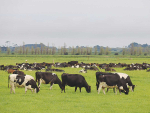
OPINION: New health and safety guidance unveiled by the Government recently provides farmers greater certainty about what is expected of them when managing risks on farm.
National’s much-touted free trade deal with India featured in the Rural Issues Debate at Mystery Creek, Hamilton on Wednesday night.
OPINION: A founding principle of Groundswell NZ is that farmers, and people generally, should be provided with full and accurate information about regulations that directly affect them.
OPINION: Have a plan in place now!


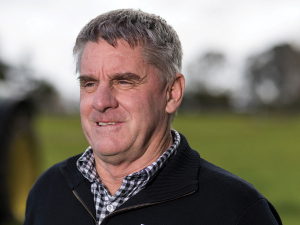
Federated Farmers has welcomed new rural policies released by ACT, saying they align closely with its own election priorities.

Rural Contractors NZ says proposed changes to land transport rules for agricultural vehicles are a welcome response by the Government to out of date regulations which have seen members hit with huge fines.
Alliance is calling for final applications for its 2027 Graduate Programme, with applications closing on Sunday 25 October.
Decades piloting planes has ensured vet and farmer David Hayes is focused on safety. So, after a serious accident while welding on farm, he is sharing his experience so others can learn from it.
Canterbury milk processor, Synlait Milk has confirmed Leon Fung as its chief executive officer.
OPINION: Making it easier to collect rainwater and use it to grow crops and livestock is a no brainer.