New Company ASTEC to Supply Asparagopsis Seaweed for Methane Research
A new company set up to cultivate and supply seaweed for animal methane mitigation studies believes it could be a game changer for the dairy industry.
 increase font size
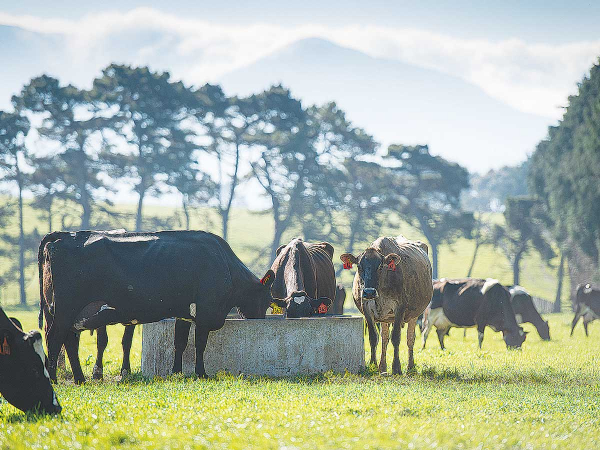 Putting a price on agricultural emissions could come at the cost of 54,600 jobs, a BusinessNZ report says.
OPINION: As we wait for the Government to unveil its plan on pricing agricultural emissions, a new report spells out what could be in store for rural New Zealand.
Putting a price on agricultural emissions could come at the cost of 54,600 jobs, the BusinessNZ report says. BusinessNZ assessed the impact of those emission charges on both upstream industries that are "critically dependent" on farming and downstream meat and dairy processing industries.
It identifies Southland, Waimate, Wairoa and South Taranaki as especially hard hit from reduced farmer spending on fertiliser, veterinary and agricultural support services and downstream meat and dairy processing industries.
Pricing agricultural emissions will be 'devastating' for some communities. The report warns that there will be flow-on effects to other parts of local economies as incomes and spending power are lost. Some communities will be devastated, and some are likely to become unviable through employment and population loss.
Farmers point out that the report underlines why the Government needs to think very carefully about the timing, structure, and impact of any move to price agricultural emissions.
For most New Zealanders, the cost of living and looming economic downturn are front of mind, and that includes farmers, who are really struggling with huge cost increases.
For the rural sector there's also increased costs, declining incomes, staff shortages and the ongoing impacts of Cyclone Gabrielle.
Former Federated Farmers president, now ACT candidate, Andrew Hoggard, has made his views clear: farmers won't support emissions pricing until there is a view of the current methane reduction targets that takes the different warming impact of methane into account. He says our current methane targets are unrealistic, unscientific, and they go further than is needed to stop farming's contribution to warming.
"We are never going to support a 10% 2030 target that drives a 20% reduction in sheep and beef and a 5% reduction in dairy, while plastering our countryside in pine trees and hollowing out rural communities."
The farming community is waiting for the Government to release its agricultural greenhouse gas emissions levy.
The Government must get the settings right to protect the viability of our rural communities and our economy. If we don't, we will just end up exporting jobs and emissions instead of meat and milk, and the planet will be no better off for it.
New Zealand farmers are the most efficient in the world when it comes to producing milk and meat. Let's keep it that way.
A new company set up to cultivate and supply seaweed for animal methane mitigation studies believes it could be a game changer for the dairy industry.

Treat agricultural emissions differently. That’s the message from the chair of the prestigious Riddet Institute, Sir Lockwood Smith.
OPINION: This old mutt is getting somewhat tired of multi-national, tax-dodging, fund-raising group Greenpeace always given front and centre mainstream media space to coment (i.e. bag) NZ agriculture.
The Government will commit $710 million over the next four years to accelerate efforts to lower agricultural emissions, expand the contribution of forestry to reduce carbon, and produce alternative ‘green’ fuels.


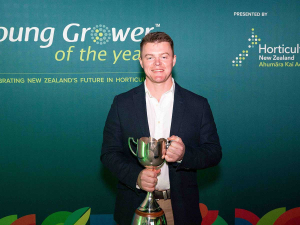
The potato industry is celebrating the success of two rising stars - James Blair, the 2026 Young Grower of the Year and runner-up and innovation award winner, Amber Davy.
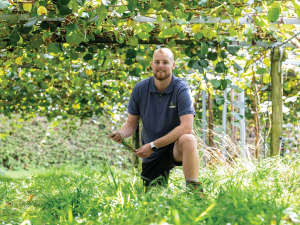
Twenty-eight emerging leaders from across the horticulture sector spent two days last month learning valuable skills and connecting with industry experts.
There are five entrants in this year’s Young Horticulturist of the Year, competing in a series of technical, practical, business and leadership challenges.
A seasoned horticulturist has been appointed to deliver the Apple Action Plan, a key initiative of the India-New Zealand Free Trade Agreement.
New Zealand's citrus growers have been told to compete on the value built into their fruit rather than the volume they grow.
Hawke's Bay fruit growers are being reminded of the need to prepare for whatever the El Niño weather system may bring in the coming months.