The way we manage livestock is constantly changing, and the advent of virtual fencing and herding technologies represents a significant advance for pasture-based dairy farming, offering flexibility, efficiency, and improved animal welfare.
With recent legislative changes in New South Wales, South Australia and Victoria, these innovations are now legal in all six dairying states, marking a major milestone for the industry.
So, what if virtual fencing? In simple terms, it's a system that creates invisible boundaries using GPS-enabled collars or ear tags. Instead of physical fences, livestock are guided by audio and vibrational cues when they approach a virtual boundary, followed by electrical cues if they cross the virtual boundary.
Very quickly, animals learn to respond to the audio and vibrational signals, reducing the need for manual herding or temporary fencing. Importantly, these systems are designed to avoid adverse welfare impacts, and safeguards are built into the technology and legislation.
Globally, several virtual fencing solutions exist, but currently in Australian dairy herds, Halter is the most broadly adopted. The technology is already well established in New Zealand, with around 200,000 cattle on the system, and approximately 20,000 in Tasmania. With legalisation now in NSW, South Australia and Victoria, we can expect broader adoption and new market entrants.
Until recently, virtual fencing was prohibited in NSW, South Australia and Victoria, due to animal welfare laws restricting electronic devices. That changed in December 2025r when NSW amended the prevention of Cruelty to Animals Regulation to allow virtual fencing for cattle under strict conditions. Victoria and South Australia have subsequently passed similar reforms, ensuring responsible use and clear welfare guidelines.
These changes mean dairy farmers can now explore virtual fencing as a practical tool to improve operations. Whilst farmers should adopt systems which suit their specific farm, some of the potential benefits include:
- Improved pasture management: Precise grazing control for optimal feed utilisation.
- Labour savings: Less time spent setting up fences or moving herds.
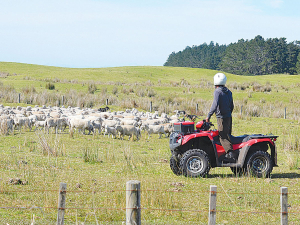
- Increased safety: Fewer quad bikes and vehicles, reducing accident risks.
- Animal health and welfare: Real-time data for early disease detection and reduction in lameness (due to the fact that cows are allowed to walk at a steady pace).
- Environmental protection: Safeguards sensitive area and reduces wildlife entanglement.
- Emergency management: Rapid and remote boundary adjustments during floods, fires or emergency animal disease outbreaks.
Read More:
Like any new technology, it is important that virtual fencing is introduced in a considered way that does not cause unintended consequences. Animal welfare remains the top priority, and the newly developed legislation includes criteria for device approval, training requirements, and property-based use*. Farmers should choose reputable providers and stay informed about best practice guidelines.
Looking ahead, virtual fencing is more than a convenience - it's a strategic tool for modern dairy farming. By reducing labour pressures, improving productivity and safety, and supporting sustainability, it aligns with the industry's long-term goals. With legal barriers removed, now is the time for farmers to explore how this technology could potentially fit into their systems.
Dr Andy Hancock is sustainable animal care manager - Dairy Australia