It's The Margins That Matter
OPINION: It appears to be difficult for people who haven’t tried to run a business to understand the difference between assets and cash.
 increase font size
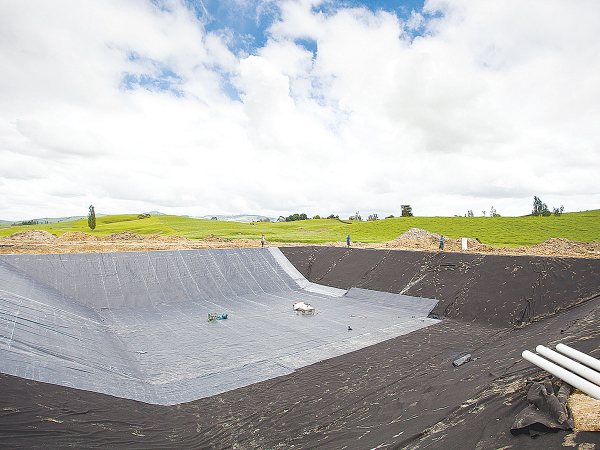 Designers and installers should be involved in the project from start to finish.
The design and construction of an effective dairy effluent system is a complex process.
It requires the assistance of experts who are qualified and experienced in the field. Communication with the system designers, installers and contractors will be crucial to ensure the result is fit-for-purpose in your farming situation.
According to DairyNZ, a good effluent service provider will offer:
DairyNZ recommends that designers and installers should be involved in the project from start to finish supervising the quality and standard of workmanship during the installation and commissioning of the system. They should be willing to stand by their work.
DairyNZ also recommends farmers use suitably qualified and accredited effluent system designers.
Make sure the system will be up to the job, it says.
A poorly designed system will be expensive and frustrating in the long term, particularly for the farm team. Like milking too many cows through a dairy, it can be done, but it takes longer and the likelihood of fatigue, breakdown and general frustration is extremely high.
A system which is poorly designed may result in problems such as:
"It is important to think about potential changes to the farm system, especially intensification, including an increase in cow numbers, greater use of stand-off and feed pads or the addition of wintering facilities.
"If these are desired but finances don't allow you to accommodate these now, plan for a staged expansion to the system as you require it. Get the system designed with the changes in mind - it can save a big expenditure in the future."
OPINION: It appears to be difficult for people who haven’t tried to run a business to understand the difference between assets and cash.
Farmers can spend less time on paperwork, thanks to a new data sharing agreement between DairyNZ’s DairyBase and LIC’s MINDA software.
OPINION: In the 1980s, concern was expressed in West Germany about the falling birth rate. Some simple analysis was performed by Professor Helmut Sies, physician and biochemist at Dusseldorf University. His letter ‘A new parameter for sex education’ was published in Nature in 1988:
OPINION: Dairy farmers know better than anyone that change is constant.
A four year trial has reaffirmed that mixing plantain into dairy pastures can help reduce nitrogen losses to freshwater while maintaining milk production and profitability, say researchers.

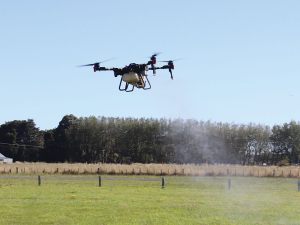
OPINION: David Seymour and James Meager's plan to make it easier for farmers and orchardists to operate drones can best be described a 'courageous' move.

New Zealand wool is reaching new heights as air filtration companies move away from synthetic products to biodegradable alternatives.
Opuha Dam's ability to protect South Canterbury communities from major flooding has taken a significant step forward, with Opuha Water Limited (OWL) successfully commissioning a new outlet valve capable of releasing record volumes of water from the dam ahead of a weather event.
There's been widespread support from the primary sector for the Government's announcement on changes to freshwater farm plans that come under the Natural Environment Bill, which is now set to replace the existing RMA.
A partnership between state-owned enterprise Pāmu (Landcorp Farming Limited) and charity Meet the Need is putting more than quality New Zealand beef into food bank parcels this year.
The Opportunity Party has faced criticism during the election campaign that its policies are too urban-focused and offer little for rural communities.