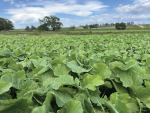
New Reviva Forage Rape Wins Over Dryland Farmers in First Year
It's only just hit the market, but a new forage rape bred for dryland farms has already won the approval of lambs and young cattle both north and south.
 increase font size
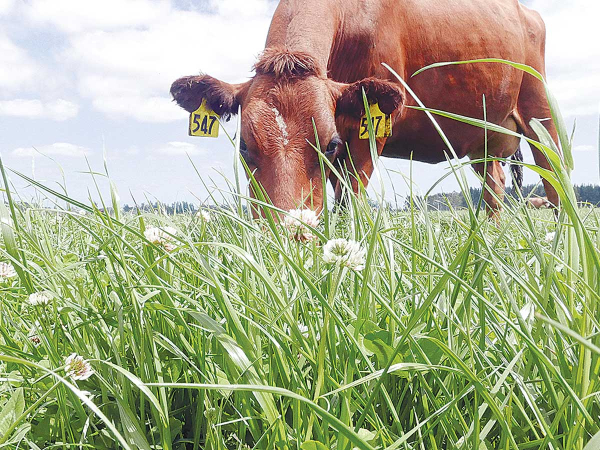
Anxious about pasture persistence?
Take heart, one of the highest yielding perennial ryegrasses you can buy, Maxsyn, has just had a major upgrade so it lasts even longer, according to Barenbrug.
It claims New Zealand's top-selling perennial for the past four years, sown on more than 200,000ha since its debut in 2020.
Combining it with the new NEA12 endophyte raises the bar further, increasing yield, summer growth, and staying power, the company says.
"Pasture persistence is a huge priority for most farmers," says Barenbrug pasture specialist Graham Kerr.
"That has made it a key ryegrass breeding objective for us. Maxsyn's persistence has stood out since day one, and we know farmers will be excited to hear it’s now even better.”
Likewise, lifting what was high yield to begin with is another win for farmers, Kerr says, especially as most of the gain comes during a critical time of the season.
“Maxsyn has always shone in summer. With NEA12, it produces 4% more dry matter during both summer and autumn than the original cultivar.
“Given the average rate of genetic gain in ryegrass breeding is about 1% a year, 4% is pretty significant!”
Stronger persistence comes in part from NEA12’s extra insect control, particularly valuable in areas of the country where industry research has noted falling pasture performance in a changing climate.
DairyNZ last year began investigating the issue, prompted by DairyBase data showing a greater trend of declining pasture harvest, by about 1 tonne dry matter/ha in Northland, and 500 kg dry matter/ha in Waikato.
Grass that lasts saves money, time, diesel, supplements, and disappointment, Graham says.
“We’re chasing resilient, reliable and highly profitable pasture, which pumps tonnes of home grown feed into your farm system year after year.”
While cultivar choice helps persistence, it is not a silver bullet.
“Many things help pastures last longer, including careful establishment, correct soil fertility and avoiding overgrazing.
“But picking a tough, densely tillered ryegrass like Maxsyn is an important part of the process,” he says.
The real proof of its value comes from farmers themselves. Industry sales data show more Maxsyn seed is sold every year than any other perennial ryegrass.
Barenbrug says that’s why it has become the standard against which all other diploid perennials are measured each year in the independent National Forage Variety Trials.
“Several new perennials have entered the market since Maxsyn made its debut in 2020, so we are very proud that Maxsyn NEA12 has topped the latest industry yield trial ratings,” says Kerr.
“It’s a credit to our research team, who work so hard to deliver the pastures farmers need for now and in the future.”
It’s a time-consuming process – Barenbrug researchers have been testing Maxsyn with a range of different endophytes for the past 11 years.
“Maxsyn with NEA12 simply grows better, has more tillers and is even slightly darker green.”
Seed for Maxsyn with the new NEA12 endophyte is available now. Talk to your retailer for more details.
Article - Barenbrug
It's only just hit the market, but a new forage rape bred for dryland farms has already won the approval of lambs and young cattle both north and south.
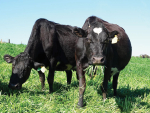
Keeping cows happy and well fed at home this winter just got easier with the launch of a prolific new annual ryegrass bred to jump out of the ground even faster than its popular predecessor.
New industry trials confirm what matters most for perennial ryegrass seed this autumn: Cool, dry storage keeps endophyte viability above the 70% commercial threshold, according to pasture specialist Barenbrug.
Pasture specialist Graham Kerr claims that one hybrid ryegrass in New Zealand continues to dominate industry yield trials, as it has done every year since it was launched in 2021.
It may still be under the radar for many, but one new pasture has been making waves for three different farmers lately.


Farmer-owned fertiliser company, Ballance Agri Nutrients is welcoming National’s plan to negotiate security agreements with key supplier countries to protect New Zealand-bound products from export restrictions and greater supply chain certainty.

Carrfields has announced the appointment of Stu Hall to the newly created role of chief operating officer, Carrfields Ltd, reflecting the continued growth of their agribusinesses and the need to ensure the company has the leadership capacity and support in place as it pursues the emerging opportunities ahead.
New Zealand's role is not to compete with Indian growers, according to NZ Apples and Pears.
The potato industry is celebrating the success of two rising stars - James Blair, the 2026 Young Grower of the Year and runner-up and innovation award winner, Amber Davy.
Twenty-eight emerging leaders from across the horticulture sector spent two days last month learning valuable skills and connecting with industry experts.
There are five entrants in this year’s Young Horticulturist of the Year, competing in a series of technical, practical, business and leadership challenges.