Early Weaning Lambs: What the Massey Trials Found
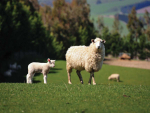
Farmers with high-quality feed available in late spring could consider weaning at least a proportion of their lamb crop early to benefit both lambs and ewes.
 increase font size
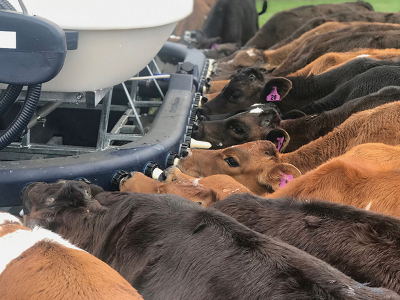
Bigger and better, says Stallion chief executive Grant Allen describing the company’s largest MTF mobile calf feeder, the Mixer Tanker Feeder.
Designed to feed 60-65 calves on the 80-teat feeder, the largest MTF is for farmers wanting to save time and energy, Allen says.
“People are buying larger mobile units to raise calves in bigger mobs, saving time and reducing the number of trips”.
The MTF is easy to use for transporting and mixing colostrum, milk powder or any other calving supplement for feeding. It comes in 50, 60, 70 or 80 teat configurations and can hold 1000L.
It has a robust galvanised frame and a tandem axle layout.
Its standard single cylinder Honda four stroke engine powers the pump, and the engine can be optioned with electric start, making the process of mixing and distributing milk as easy as turning a key.
The 1000L tank is easily filled using a camlock fast fill connection. Its rear mounted hose and dispenser nozzle allow a seamless, easy switch from paddock to pen feeding.
Easy cleaning starts with a quick-fit hose connection at the rear of the unit. When the operator fills the tank to about one quarter this starts the pump which activates self cleaning that takes about three minutes. Also, the easy clean manifold design allows fast draining of residual rinse water.
Stallion has designed and manufactured calf feeders and transport gear for 30 years.
Allen has good advice for calf rearers: “Don’t skimp on the number of teats on the feeder. Calves grow rapidly so always aim to see 10-15% of the teats free to avoid overcrowding and bullying.”
Farmers with high-quality feed available in late spring could consider weaning at least a proportion of their lamb crop early to benefit both lambs and ewes.

Good Calf shed hygiene has always been about providing clean, dry bedding.
Matt Collier, Probiotic Revolution, says calves will drink a lot of milk once-a-day with their probiotic Calf Xtreme.
Body Condition Score (BCS) is a critical element in managing the health and reproduction of the dairy herd.
Rearing facilities should be set up and maintained well to ensure calves stay healthy.



Federated Farmers has welcomed new rural policies released by ACT, saying they align closely with its own election priorities.

Rural Contractors NZ says proposed changes to land transport rules for agricultural vehicles are a welcome response by the Government to out of date regulations which have seen members hit with huge fines.
Alliance is calling for final applications for its 2027 Graduate Programme, with applications closing on Sunday 25 October.
Decades piloting planes has ensured vet and farmer David Hayes is focused on safety. So, after a serious accident while welding on farm, he is sharing his experience so others can learn from it.
Canterbury milk processor, Synlait Milk has confirmed Leon Fung as its chief executive officer.
OPINION: Making it easier to collect rainwater and use it to grow crops and livestock is a no brainer.