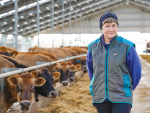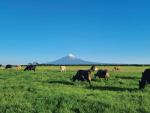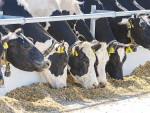
Milking longer with maize silage
This season's dry conditions have made one thing clear: not having enough feed on hand can bring your season to an early close.
 increase font size
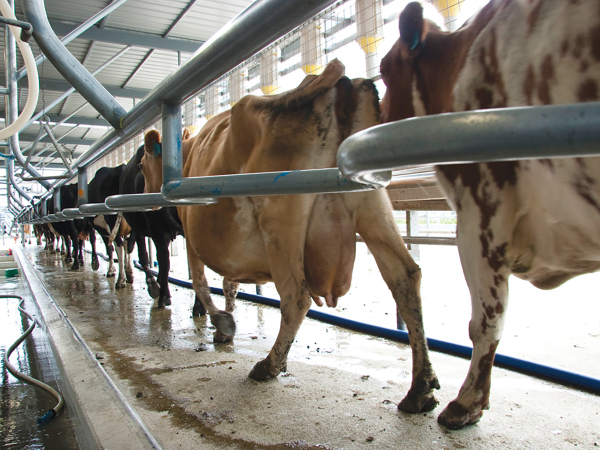 The key to improving efficiency is to use a consistent milking routine for all milkers.
The swing-over herringbone is the most common dairy type in New Zealand, used on 69% of dairy farms. Simple changes save seconds per cow, and that quickly adds up.
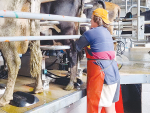
There are ways to save time in almost all herringbone milking sheds. The key to improving efficiency is to use a consistent milking routine for all milkers. Shorter milkings have several benefits - improving staff satisfaction, lessening mastitis and reducing lameness.
Making changes is simple and reversible, so you don’t have to wait until the end of the season to assess the impact of changes. If something hasn’t worked, it’s easy to change back at the next milking.
Creating a more efficient milking routine
There are a number of ways to compile an efficient milking routine depending on individual dairy design. However, the following elements have been identified as key elements that good routines have in common.
Milking Routine
In summary, many farmers have managed to make significant savings by adopting a routine that:
Teat Preparation
Teat preparation before milking can involve the cleaning and/or massaging of teats before the cups are attached.
As well as ensuring that milk quality is not affected by dirty teats, washing helps the cow produce oxytocin, the milk letdown hormone which creates a better milk flow.
Teat washing and ensuring the teats are clean before attaching the cups has the following benefits:
Strategic washing is most commonly practiced in New Zealand. Strategic washing of dirty teats will save time, although there is no opportunity to stimulate the udder through handling/massage to encourage let-down. However, in most cases this is not required.
Drying of teats after washing is essential as it reduces the chance of mastitis, and the risk of milk contamination. Dry teats also interact better with the teat cup liner.
This season's dry conditions have made one thing clear: not having enough feed on hand can bring your season to an early close.
Waikato Milking Systems’ latest innovation, ErgoPOD is now commercially available within New Zealand and Australia.
"Ask me in about three weeks’ time."
DairyNZ's Kirsty Verhoek ‘walks the talk’, balancing her interests in animal welfare, agricultural science and innovative dairy farming.
MSD Animal Health has launched its comprehensive milk monitoring solution, under the SenseHub Dairy brand, for herringbone sheds following successful trials on Fonterra’s Te Rapa dairy farm in the Waikato.


Farmer-owned fertiliser company, Ballance Agri Nutrients is welcoming National’s plan to negotiate security agreements with key supplier countries to protect New Zealand-bound products from export restrictions and greater supply chain certainty.

Carrfields has announced the appointment of Stu Hall to the newly created role of chief operating officer, Carrfields Ltd, reflecting the continued growth of their agribusinesses and the need to ensure the company has the leadership capacity and support in place as it pursues the emerging opportunities ahead.
New Zealand's role is not to compete with Indian growers, according to NZ Apples and Pears.
The potato industry is celebrating the success of two rising stars - James Blair, the 2026 Young Grower of the Year and runner-up and innovation award winner, Amber Davy.
Twenty-eight emerging leaders from across the horticulture sector spent two days last month learning valuable skills and connecting with industry experts.
There are five entrants in this year’s Young Horticulturist of the Year, competing in a series of technical, practical, business and leadership challenges.