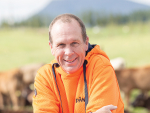
Pāmu FY26 Report: Profit More Than Doubles to $113m
Pāmu has released its FY26 Integrated Annual Report, reporting a Net Operating Profit of $113 million, more than double the $49 million recorded in FY25.
 increase font size
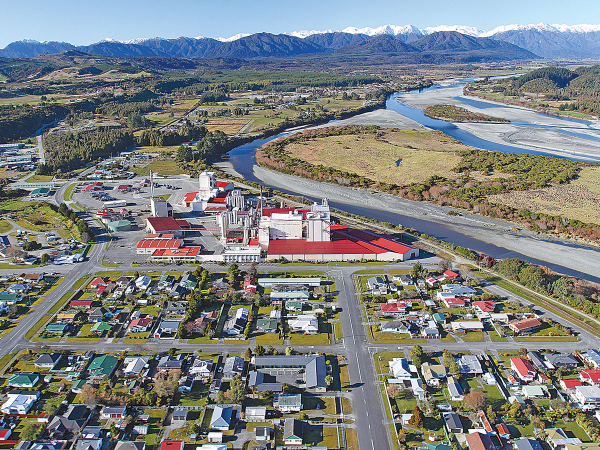 Westland's Hokitika plant has reduced coal use by 20%.
Hokitika-based Westland Milk Products says it has reduced coal consumption by 20% last season compared to the previous year.
The company, which is targeting carbon emissions reductions of 12.5% by 2025 and 25% by 2030, will now review those interim targets after achieving a total reduction of 11,000 MT of coal.
Westland chief executive Richard Wyeth says the reduction in coal use was a real company-wide achievement in the company's transition to a low-carbon future.
"After launching our sustainability strategy last year, we wanted to set realistic, achievable targets given the limited decarbonisation options open to us on the West Coast," says Wyeth.
"Our staff have really got behind our sustainability strategy and it's a stunning achievement to achieve these targets so quickly, however, we will continue to be realistic about our goals for the future," Wyeth said.
"While we are firmly committed to the 2037 decarbonisation target for industry, the technology to achieve this is currently not yet available.
"We have limited options to decarbonise energy-intensive food production on the West Coast with a conversion to biomass as a fuel currently not cost-effective and requiring four-times the supply chain emissions as coal."
Reductions in coal use had been achieved by retiring energy-intensive drying equipment, energy savings brought about by better management of winter maintenance work, and better production planning.
Co-investment alongside the Government Investment in Decarbonising Industry (GIDI) Fund to reduce emissions through heat loss is expected to drive further emissions reductions in the future.
Westland's first CSR strategy was released in November last year with its first full-year report of progress against the published initiatives due in 2023.
The result comes after Westland parent company Yili became the first Chinese food industry company to announce its roadmap to a net zero carbon future by 2050, setting targets for 2030, 2040 and 2050. The first Chinese food industry company to launch an annual carbon inventory, Yili has continued assessments for the past 12 years.
This year, Yili, one of the top five dairy companies in the world, established the first net-zero factory in China's food industry, the first net-zero milk in the country, and the first two "net zero factories" in the Chinese milk powder industry.
Pāmu has released its FY26 Integrated Annual Report, reporting a Net Operating Profit of $113 million, more than double the $49 million recorded in FY25.
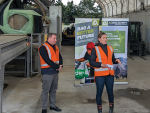
Environment Minister Nicola Grigg has announced details of a new rural plastics recycling scheme.
Almond hulls sourced from Australian orchards may have the potential to help New Zealand cows reduce emissions, boost milk yield and lower input costs.
The Government is introducing a new nationwide rural recycling scheme that will significantly increase the recovery of farm plastics from March next year, Minister for the Environment Nicola Grigg announced today.
Climate, nature and animal wellbeing make up Fonterra's refreshed sustainability roadmap released last week.



New Zealand's role is not to compete with Indian growers, according to NZ Apples and Pears.
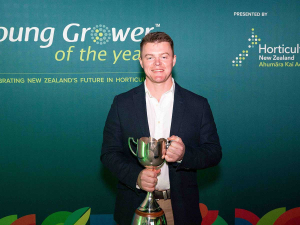
The potato industry is celebrating the success of two rising stars - James Blair, the 2026 Young Grower of the Year and runner-up and innovation award winner, Amber Davy.
Twenty-eight emerging leaders from across the horticulture sector spent two days last month learning valuable skills and connecting with industry experts.
There are five entrants in this year’s Young Horticulturist of the Year, competing in a series of technical, practical, business and leadership challenges.
A seasoned horticulturist has been appointed to deliver the Apple Action Plan, a key initiative of the India-New Zealand Free Trade Agreement.
South of the central Hawke’s Bay town of Waipukurau is Taniwha Station – a highly successful 550ha bull beef farming operation.