
Feds Welcomes Labour Party Support For Sharemilking Law Review
Federated Farmers says it welcomes Labour's commitment to reviewing the Sharemilking Agreements Act, calling on other major parties to do the same.
 increase font size
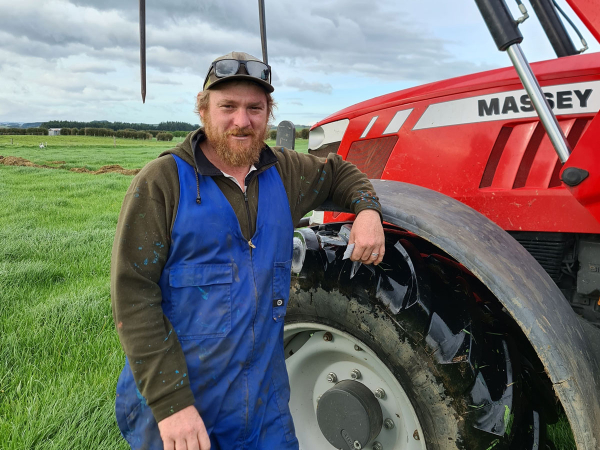 Sam Ebbett, Taranaki Federated Farmers, says it’s going to be a tough winter for some people.
The grass may be growing again in the drought-stricken coastal area of Taranaki, but the outlook for many farmers there is far from rosy.
According to Federated Farmers Dairy chair in the province, Sam Ebbett, it's going to be a tough winter for some people.
He says the effects of the drought will be long lasting and everyone has been using lots of supplements to get through the past five months. It could be September before things start to come right.
"Sure, everything is starting to green up and growing grass is less of a talking point, but certainly I wouldn't say the drought was over," he told Dairy News.
One of the worries now, says Ebbett, is that some farmers have used up supplements that they would normally save for winter, and the challenge now is finding feed to make up for what has been used. He says it appears there is nothing available in the Manawatu.
He says up until now, feed was sourced from Hawke's Bay and Tararua districts but by all accounts there is nothing available from there either.
"So, if you haven't got any extra supplement in terms of grass supplement from somewhere in the country, I'd say you are up the creek at the moment," he says.
While the coastal areas remain badly affected, inland areas of Taranaki, especially those on the eastern side of the mountain are not affected.
Rural Support Trust coordinator in Taranaki, Marcian Paurini, says while the number of calls to the trust have been low this month, she expects this to increase later this month and into June as contract milkers in particular start to get a better handle on their financial position.
She says many face a situation where all their savings are gone from their last milk cheque.
Paurini says they will have to have documented proof of their financial status such as statements relating to any milk production drop due to the early culling of cows and whether the farm moved to once a day milking.
"When we have that evidence, we will be able to support them," she says.
Paurini says she has three facilitators out in the field helping drought-affected farmers to apply for job seeker support. But she says there are some barriers to getting this support - namely both partners need to be working on the farm and that any easily realisable assets need to be sold.
At the same time, Paurini says she's been organising some training for rural professionals in the area of 'psychological first aid' - in other words, building up skills for people who are likely to help others who are facing stressed caused by the drought.
Like Ebbett, she says sourcing supplements is difficult and she's put out requests to farmers in Wairararapa to see if they can help.
Overall, Paurini says people in Taranaki are in good spirits now that the grass is starting to grow and adds that there is usually a 'flush' in May, which means that some will be able to take a cut of silage before the winter sets in.
Federated Farmers says it welcomes Labour's commitment to reviewing the Sharemilking Agreements Act, calling on other major parties to do the same.
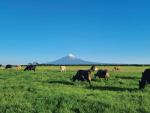
A spate of southerly winds bringing cold temperatures has presented challenges for Taranaki dairy farmers.
OPINION: The stats speak for themselves.
With forecasters advising El Niño conditions will develop through winter and strengthen into spring and summer, Ballance Agri-Nutrients is encouraging farmers and growers to think ahead about nutrient planning and be prepared to work around challenging weather conditions.
Halter has announced the six winners of its 2026 One Year Free competition, marking the biggest year yet for the annual award and the first time the company has expanded the field beyond its usual line-up.


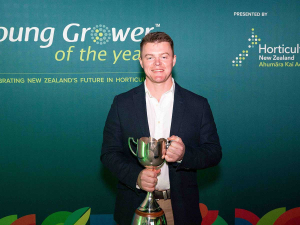
The potato industry is celebrating the success of two rising stars - James Blair, the 2026 Young Grower of the Year and runner-up and innovation award winner, Amber Davy.
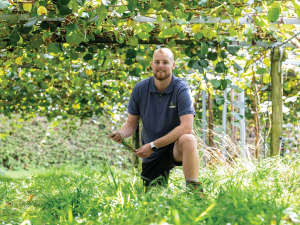
Twenty-eight emerging leaders from across the horticulture sector spent two days last month learning valuable skills and connecting with industry experts.
There are five entrants in this year’s Young Horticulturist of the Year, competing in a series of technical, practical, business and leadership challenges.
A seasoned horticulturist has been appointed to deliver the Apple Action Plan, a key initiative of the India-New Zealand Free Trade Agreement.
New Zealand's citrus growers have been told to compete on the value built into their fruit rather than the volume they grow.
Hawke's Bay fruit growers are being reminded of the need to prepare for whatever the El Niño weather system may bring in the coming months.



