Synlait’s Longest-Serving Employee Joins Executive Team
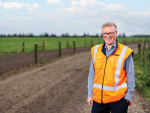
Synlait's longest serving employee – a man who joined the Canterbury-based milk processor even before it began processing milk – is now its newest executive.
 increase font size
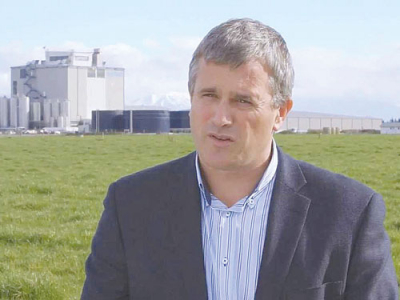 John Penno.
Synlait milk has doubled its milk powder canning capability with the opening of a $55 million facility at Mangere, Auckland.
The blending and consumer-goods packaging plant can pack 32,000 tonnes annually.
The plant removes the single-site risk inherent in operating the Dundandel plant only.
The company expects demand for consumer packaged products to increase significantly in the near term. A tremendous amount of work has gone into this milestone, says chief executive John Penno.
“We acquired this partially completed facility in May and have done a lot of work to commission it in just over six months.
“We have employed a great team of 30 people to operate the facility and we expect that number to increase to 100 in the coming year as we add additional shifts.”
Synlait is bracing for growth in business with infant formula customers.
“Under the Chinese Food and Drug Administration infant formula rules coming into effect on January 1, 2018 this second site enables us to increase the potential number of our customer brands we can export to China.”
Synlait's longest serving employee – a man who joined the Canterbury-based milk processor even before it began processing milk – is now its newest executive.

Canterbury milk processor, Synlait Milk has confirmed Leon Fung as its chief executive officer.
Waikato milk processor Tatua has again declared a record milk payout to farmer shareholders, leaving other processors in the dust.
Synlait has swung to second-half profit as operations stabilise, but the dairy processor still posted a $75.4m annual loss.
OPINION: It seems Canterbury processor Synlait is still in the doldrums.


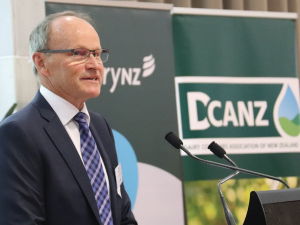
Dairy processors are ready to further boost New Zealand’s export earnings but want the incoming government to match their ambition with good policy.
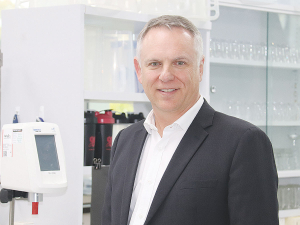
Massey University is best placed to solve the “problems” facing the dairy industry, says vice chancellor, Pierre Venter.
Synlait's longest serving employee – a man who joined the Canterbury-based milk processor even before it began processing milk – is now its newest executive.
A dairy industry leader believes eradicating the common and costly disease, Bovine Viral Diarrhoea (BVD) is within reach.
A farmgate milk price of $10/kgMS this season is firming up as milk powder prices soar and the New Zealand dollar weakens.
Federated Farmers has welcomed new rural policies released by ACT, saying they align closely with its own election priorities.