Fonterra Expands Organic Dairy Programme Into South Island
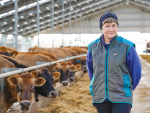
Fonterra has announced it will continue with the planned expansion of its organic business into the South Island.
 increase font size
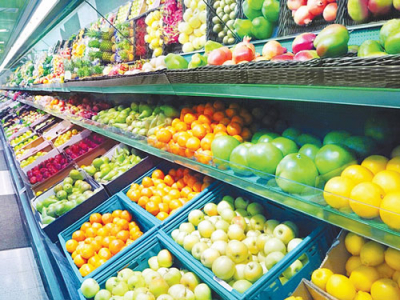 Organic exports are now worth $335 million annually – 42% more than three years ago.
Exports of organic products from New Zealand are now worth $335 million annually – 42% more than three years ago.
Domestic market sales also rose -- to $254m, bringing total sales to just on $600m.
Organics Aotearoa New Zealand (OANZ) last week unveiled the results of its three-yearly survey at a function at parliament attended by growers, processors and supermarkets.
Fresh fruit and vegetables remain the largest export earner at nearly $136m; then dairy, meat and wool $99.5m; and wine and beer $46.5m.
OANZ chief executive Brendan Hoare says great opportunities exist for NZ organic producers: the world wants what NZ has to offer and we have the capability to grow our share of the global market.
“The report articulates a national and global mood for change to natural, ethical, sustainable food and other daily used products. Consumers want change so they can live their values, producers and farmers are seeking change to do what is good for the land they love, and global markets are demanding greater and greater choice as organic goes mainstream,” he says.
Hoare says producers and manufacturers are listening to the market signals: at least 50% of producers surveyed are interested in getting full organic certification or transitioning towards organic.
The number of certified-organic operations is up 12% to 1118 licensees and 1672 certified enterprises, and land under organic production has increased 17% to almost 89,000ha due to a 50% growth in organic livestock area.
Fonterra has announced it will continue with the planned expansion of its organic business into the South Island.
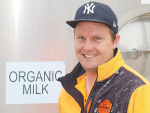
Running an organic dairy farm is a bit like living on an island where one has to be completely self-sufficient.
Fonterra's record payout for organic milk reflects the value of being certified organic, according to Brendan Hoare, Buy Pure NZ managing director.
It’s official, Fonterra’s organic farmers have become the first in the country to receive a double-digit milk payout.
Five years after the completion of the Organic Focus Vineyards project, Rebecca Reider reports back on soil monitoring and success stories.

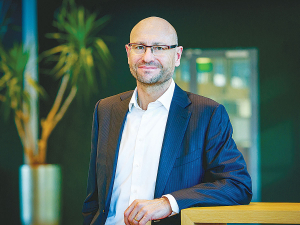
Farmer-owned fertiliser company, Ballance Agri Nutrients is welcoming National’s plan to negotiate security agreements with key supplier countries to protect New Zealand-bound products from export restrictions and greater supply chain certainty.

Carrfields has announced the appointment of Stu Hall to the newly created role of chief operating officer, Carrfields Ltd, reflecting the continued growth of their agribusinesses and the need to ensure the company has the leadership capacity and support in place as it pursues the emerging opportunities ahead.
New Zealand's role is not to compete with Indian growers, according to NZ Apples and Pears.
The potato industry is celebrating the success of two rising stars - James Blair, the 2026 Young Grower of the Year and runner-up and innovation award winner, Amber Davy.
Twenty-eight emerging leaders from across the horticulture sector spent two days last month learning valuable skills and connecting with industry experts.
There are five entrants in this year’s Young Horticulturist of the Year, competing in a series of technical, practical, business and leadership challenges.