DairyBase and MINDA Link Up to Cut Farmer Paperwork
Farmers can spend less time on paperwork, thanks to a new data sharing agreement between DairyNZ’s DairyBase and LIC’s MINDA software.
 increase font size
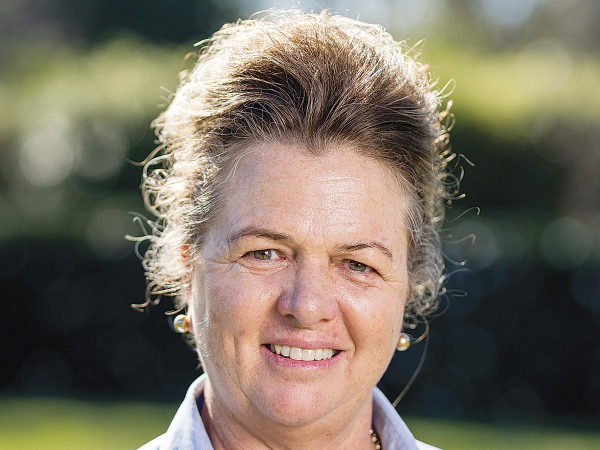 DairyNZ chair Tracy Brown says farmers have already made progress on reducing ag emissions.
The Government's revised 2050 biogenic methane target range of 14-24% by 2050 is being welcomed by dairy farmers.
DairyNZ chair Tracy Brown said the new target range aligns closely with the recent Independent Methane Science and Target Review conducted by leading NZ scientists, including Professor Dave Frame and climate and farm systems expert Professor Nicola Shadbolt.
The review recommended that New Zealand cut biogenic methane emissions by 14-24% by 2050 to achieve no additional warming from 2017 levels, acknowledging the different effects of short vs long-lived greenhouse gases.
"It is important that the target range better reflects the latest science on methane's warming impact, while also acknowledging the practical realities farmers face on farm," says Brown.
"Farmers have already made progress, with agricultural emissions stabilising over the past decade through efficiency gains and environmental improvements. Methane emissions from dairy cattle are down 4.1% since 2017."
She says the announcement will provide certainty for farmers.
"We know that at the top end, 24% will be extremely challenging without new mitigation technologies. It's important there is accelerated investment in research and that tools to farmers are fast-tracked to ensure targets can be achieved over time.
"We are investing in solutions and work with sector partners such as AgriZeroNZ and the Ag Emissions Centre to tackle New Zealand's agricultural methane challenge through a combination of targeted investment, scientific innovation, and commercial partnerships.
"DairyNZ is continuing to power our science in this area. Our Emissions and Profitability project has shown how farmers can increase profitability and lower emissions by increasing homegrown feed and reducing purchased feed with high-embedded emissions.
"We are two years into the four-year Emissions4Pasture joint New Zealand-Ireland research programme, with early results suggesting cows grazing fresh forages emit less methane than currently estimated. By understanding the factors that influence methane emissions, we can ensure that any future methane mitigation work well in our pasture-based systems.
"Sustaining the viability of dairying, and agriculture in general, is critical to New Zealand's future prosperity," says Brown.
Farmers can spend less time on paperwork, thanks to a new data sharing agreement between DairyNZ’s DairyBase and LIC’s MINDA software.
OPINION: In the 1980s, concern was expressed in West Germany about the falling birth rate. Some simple analysis was performed by Professor Helmut Sies, physician and biochemist at Dusseldorf University. His letter ‘A new parameter for sex education’ was published in Nature in 1988:
OPINION: Dairy farmers know better than anyone that change is constant.
A four year trial has reaffirmed that mixing plantain into dairy pastures can help reduce nitrogen losses to freshwater while maintaining milk production and profitability, say researchers.
OPINION: Today marks Farm Worker Appreciation Day – a day we’re proud to recognise here in New Zealand.


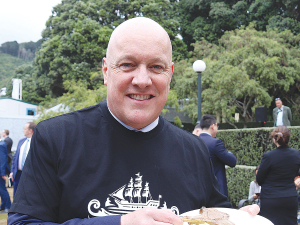
OPINION: In politics, credibility is and should be big. It must surely rank higher than charisma, which is quite trite and superficial. Yet, voters nowadays are often wooed and influenced by how someone looks or talks at a superficial level. TV plays a huge role in this.

Farmers can spend less time on paperwork, thanks to a new data sharing agreement between DairyNZ’s DairyBase and LIC’s MINDA software.
Kaikōura families affected by July's severe storm have found a practical solution to a problem that's kept some children away from regular schooling for weeks: a washed-out section of Inland Kaikōura Road, which has stopped the local school bus from running its usual route.
Rural New Zealand is welcoming the Government’s recent package of rural healthcare initiatives.
Interest in agritech and production animal systems has prompted Massey University's School of Agriculture and the Environment to new majors to its popular animal science degree.
Ballance Agrinutrients chief executive Kelvin Wickham says despite a tough year, he is pleased the business has returned to profit.