Synlait FY26 Result: $75.4m Loss, Second-Half Profit
Synlait has swung to second-half profit as operations stabilise, but the dairy processor still posted a $75.4m annual loss.
 increase font size
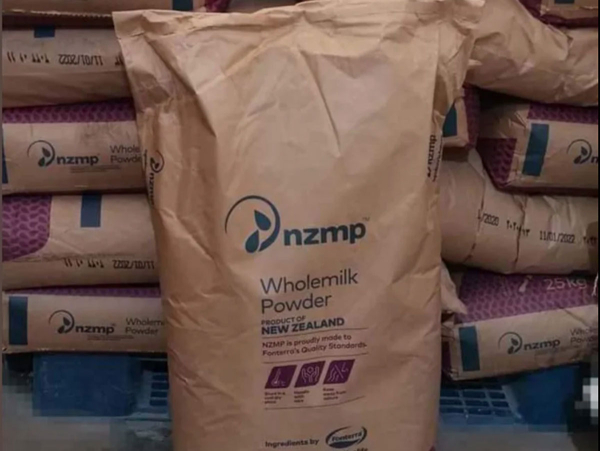 Whole milk powder prices dropped 2.1% to US$3804/t.
The first Global Dairy Trade (GDT) auction drew mixed results, with drop in powder prices and lift in butter and cheeses.
The GDT price index eased 1.4% to an average price of US$4,029/t. Whole milk powder prices dropped 2.1% to US$3804/t and skim milk powder eased 2.2% to US$2682/t.
NZX dairy analyst Rosalind Crickett says the index movement was weighed down by decreases seen to the milk powder products, despite lifts to butter and cheese products – with results spot on with their pre-event expectations.
“In what normally is a quieter start to the year, 87% of product on offer was still sold, but saw weaker demand from both North Asia and the Southeast Asia/Oceania regions.”
Crickett says that despite there being -15.7% less WMP and -15% less SMP on offer since the last event, traders have been describing a “hand to mouth” purchasing pattern by regions over the holiday period.
She notes that recent Chinese inventory data showed a 25% year-on-year (YoY) increase in November WMP imports, as the country restocked with continuing weak domestic milk production a key factor. The recent buying activity by North Asia has also seen month-on-month (MoM) ending stocks for SMP up 33%.
Despite an increase in NZ milk fat product availability on the GDT platform due to the Cream Group Flex, there were mixed
results across anhydrous milk fat (AMF) and butter. With US and EU also reporting ample cream supplies there was seemingly little effect on the 2.6% lift in butter prices.
Interestingly both cheese products have rebounded in price after three consecutive declines, with traders expecting price support with cheese volumes tapering off in the latter part of the season, she says.
Synlait has swung to second-half profit as operations stabilise, but the dairy processor still posted a $75.4m annual loss.
Milk powder prices are keeping farmgate prices up, helping processors offset the dip in milk fat prices.
More signs of a booming kiwifruit sector.
After delivering a strong financial year, rural trader PGG Wrightson says the coming months will depend on customer confidence and weather.


Farmer-owned fertiliser company, Ballance Agri Nutrients is welcoming National’s plan to negotiate security agreements with key supplier countries to protect New Zealand-bound products from export restrictions and greater supply chain certainty.

Carrfields has announced the appointment of Stu Hall to the newly created role of chief operating officer, Carrfields Ltd, reflecting the continued growth of their agribusinesses and the need to ensure the company has the leadership capacity and support in place as it pursues the emerging opportunities ahead.
New Zealand's role is not to compete with Indian growers, according to NZ Apples and Pears.
The potato industry is celebrating the success of two rising stars - James Blair, the 2026 Young Grower of the Year and runner-up and innovation award winner, Amber Davy.
Twenty-eight emerging leaders from across the horticulture sector spent two days last month learning valuable skills and connecting with industry experts.
There are five entrants in this year’s Young Horticulturist of the Year, competing in a series of technical, practical, business and leadership challenges.