What Would Synlait Be Worth to Fonterra or a2 Milk?
Speculation of a possible joint move by Fonterra and a2 Milk to buy Synlait raises a much bigger strategic question, says agribusiness expert Dr Nic Lees.
 increase font size
 Restrictions on the marketing of infant formula in Australia have been extended until 2024.
Restrictions on marketing infant formula in Australia have been extended for another three years.
The Australian Competition and Consumer Commission (ACCC) has reauthorised the agreement that bans direct public marketing of infant formula.
In New Zealand, the Ministry of Health prohibits marketing of infant formula for babies under 6 months.
The ACCC says it has accepted the Marketing in Australia of Infant Formula: Manufacturers and Importers Agreement (MAIF) to stay until the July 31 2024, to maintain restrictions on the promotion of breastmilk substitutes.
ACCC deputy chair Delia Rickard said the ban has significant public health benefits through protecting the rate of breastfeeding.
"Without this agreement among infant formua manufacturers and importers there is a risk of an increase in the marketing of infant formula, both directly to consumers and indirectly through references to infants in the marketing of toddler milk," said Rickard.
The ACCC has ongoing concerns the marketing of toddler milk products undermines the effectiveness of the agreement. Issues with advertising complaints are also present because of timeliness and transparency for how they are handled under the agreement.
Speculation of a possible joint move by Fonterra and a2 Milk to buy Synlait raises a much bigger strategic question, says agribusiness expert Dr Nic Lees.

OPINION: Media reports say global recalls tied to cereulide toxin contamination in milk-based nutrition brands could inflict combined financial losses exceeding $1 billion.
OPINION: As soon as RNZ realised MP Andrew Hoggard's sister worked for Dairy Companies Association of NZ (DCANZ) and was, shock horror, lobbying government on behalf of its members, it wasted no time accusing him of not managing conflicts of interests.
Manufacturers of infant formula are largely supportive of a proposed new domestic labelling standard for their products.
Australian supermarket giant Coles has been given the green light by the competition watchdog to buy two milk processing plants.



LIC shareholders have elected a new North Island representative to the co-operative's Board, along with five representatives to its Shareholder Reference Group (SRG), following the company's Annual Meeting held in Invercargill.
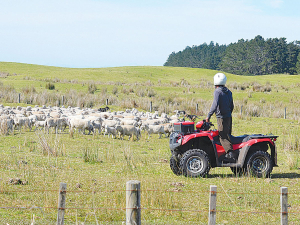
Farmers across parts of Southland and South Otago are continuing to deal with difficult conditions after a prolonged run of wet weather, with pressure building around feed supply, stock management, pasture damage, farm infrastructure and everyday workloads.
Federated Farmers says it welcomes Labour's commitment to reviewing the Sharemilking Agreements Act, calling on other major parties to do the same.
For Canterbury dairy farmers Sian Meijer and Rick Wobben, wearable technology has become one of their most valuable on-farm tools - helping manage 1850 cows across an expansive, high-performing dairy operation while improving efficiency, mating outcomes and day-to-day decision making.
Fonterra has unveiled its annual results for the 2026 financial year, posting $27 billion in revenue and close to $20 billion returned to New Zealand farmer owners and unit holders.
The first major update to the Dairy Cattle Code of Welfare in more than a decade has been released, marking what DairyNZ describes as an important step in ensuring animal welfare standards continue to evolve alongside scientific evidence and on-farm realities.