Four Candidates Confirmed for Fonterra Board Election
Four candidates have been confirmed for two director positions on Fonterra’s board.
 increase font size
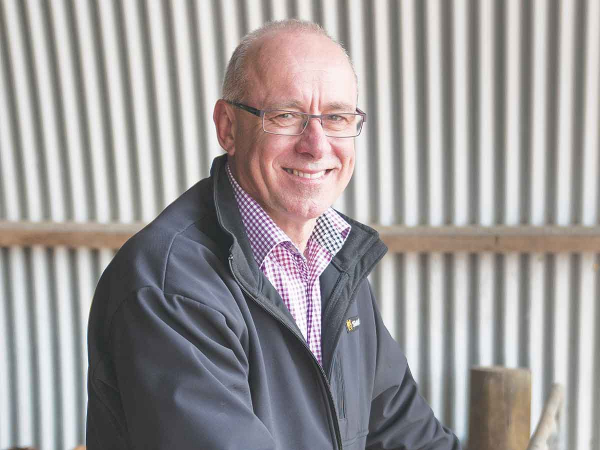 “Right now customer and supply chain management are very important for global players and that’s something that Fonterra does very well,” says Sir Henry van der Heyden.
Former Fonterra chairman Sir Henry van der Heyden believes the co-operative will come out a stronger global player post-COVID-19.
He says the co-op is a great global player with solid customer networks and supply chains.
“Right now these supply chains are stretched in terms of shipping and containers.
“Their relationship with everyone in supply chains – the customer and ultimately the consumer is their strength – I think that’s going to come to the fore.”
Van der Heyden, who served as Fonterra chair from 2002 to 2012, was speaking at a webinar organised by the Rural Support Trust.
After stepping down from Fonterra, van der Heyden has served on high profile company boards. He is currently chairman of Rabobank Australia. Van der Heyden has dairy farming interests in New Zealand and Chile.
So far, Fonterra has come out of the COVID-19 largely unscathed, announcing a $300 million lift in third quarter gross profits.
The co-op says it drawing on its global supply chain and diverse product and customer base to minimise disruptions.
Van der Heyden says Fonterra will stand out even more post-COVID-19 as a global player.
“I think what they stand for will be reinforced.
“Right now customer and supply chain management are very important for global players and that’s something that Fonterra does very well.”
Van der Heyden also spoke about the New Zealand agriculture sector coming out of COVID-19 with well-earned respect. “I think coming out of COVID, the country has realised how important agriculture is from an economic sense.”
He said farmers felt like “lepers” over the last three to four years, even reluctant to tell people that they worked on the land because they were looked down upon.
“Post COVID, the country is realising that they need agriculture, they need cash flows and they need exports.”
At the same time, farmers must farm within environmental limits.
Van der Heyden says he doesn’t know of any farmer who doesn’t worry about environment and sustainability.
But he wants a balance to be found. Farmers need time to change their farming systems and everyone needs to work together to set environmental targets and find solutions.
Four candidates have been confirmed for two director positions on Fonterra’s board.
A record farmgate milk price and strong global demand is laying the foundation for continued growth of organic dairy farming in New Zealand.
Waikato milk processor Tatua has again declared a record milk payout to farmer shareholders, leaving other processors in the dust.
Fonterra has unveiled its annual results for the 2026 financial year, posting $27 billion in revenue and close to $20 billion returned to New Zealand farmer owners and unit holders.
Fonterra Co-operative Group has confirmed the independently assessed candidates standing for election to its board in 2026.


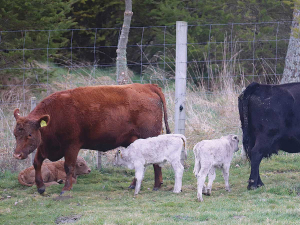
A major move is about to get underway to improve the quality and viability of dairy beef and cattle in NZ.
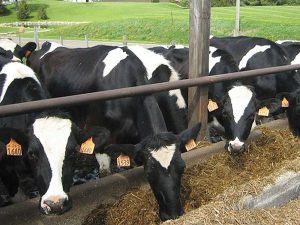
Veterinarians say changes to the code of welfare for dairy cattle provides a positive foundation for improved cattle welfare across the country.
Today, 15 October, is the International Day of Rural Women, which recognises rural women’s contribution to farming, communities and the environment.
Global dairy giant Lactalis has integrated its Australian operations with the Mainland Dairy consumer business it acquired from Fonterra earlier this year.
After almost two decades of sharemilking, saving and building equity, Aaron and Marcia Flay this year realised their long-held dream of settling on their first dairy farm.
Good medium to long term prospects for NZ beef, especially in the US, has heighted the focus on various initiatives to capitalise on this situation.