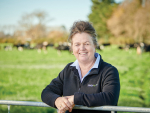
DairyNZ Strategy Review: Farmer Feedback Closes 15 Nov
Farmers have until the end of this week to help shape DairyNZ’s future focus.
 increase font size
 Andrew Reid.
Plan now how you will manage for drought this summer, says DairyNZ.
Spokesman Andrew Reid says the signs are ominous: NIWA reports show all New Zealand was drier than normal in November – strange given that a month ago people were talking about how wet it was.
This shows how quickly conditions can change, so farmers need to prepare to deal with a big dry, Reid says. The implications of the November dry, and what the rest of the season will bring, is “top-of-mind for us at DairyNZ”.
“People need a management plan in case things get worse and there is no rain in the traditionally dry months,” Reid says. “And they must be ready and willing to act on it. Having a plan is one thing; acting on it in a timely way and making decisions makes all the difference.”
Reid says the present dry spell is compounding the problems of incessant rain that fell earlier in the season. Farmers have since been playing catch-up to cope with a marginal start to the season. Now their focus is on the next couple of months.
One problem is the prospect of a supplement shortage.
“Pasture supplements weren’t harvested in spring because they were needed at the time so that option has been compromised. One option while pastures are still growing is to apply nitrogen or to extend rotations out to 30 days or so.”
Keep an eye on the weather so that if things turn a lot worse you can respond in a timely manner, Reid says.
Once-a-day milking is an option, but it should not be the first choice because of the long-term implications in the loss of production and the risk of increased somatic cell counts.
Christmas can wait
Stay alert to what is happening, regardless of the festive season, says Andrew Reid.
While DairyNZ staff traditionally take a break at Christmas they remain on call; and before then the consulting officers will get out messages via discussion groups.
“Also our website is a massive resource for people wanting to get clarification on any issue. On the website we have management plans available that people can work through.”
Despite the weather watch it is equally important everyone gets a break and has time to recharge their batteries, Reid says. Staff rosters should be arranged to facilitate this.
Farmers have until the end of this week to help shape DairyNZ’s future focus.
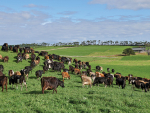
The New Zealand dairy sector set a record in the 2025/26 season, producing more than two billion kilograms of milksolids for the first time.
Students will be able to study Agriculture and Horticultural Science from Year 11, creating a clear pathway into Years 12 and 13 and future careers in New Zealand’s primary industries, Education Minister Erica Stanford says.
OPINION: New Zealand dairy is delivering. In the year to June, dairy exports earned a record $28.8 billion for New Zealand. They were part of a record $65.2 billion earned by our wider food and fibre sector.
Today, 15 October, is the International Day of Rural Women, which recognises rural women’s contribution to farming, communities and the environment.


During the nesting season, from September to December, industrious starlings can quickly build nests in the darker areas behind tractor and vehicle, usually close to hot engines, typically resulting in localised damage or in some cases complete write-offs.
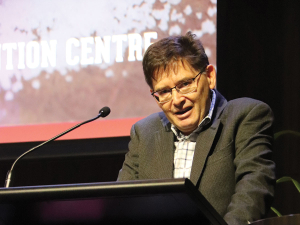
The meat processing industry is much more collegial than it was in the past and is now more focused on common goals.
With the last couple of months having seen some potential tractor purchases put on hold with the impending election and continued input cost rises, year-to-date figures, ending September, has seen deliveries up around 5% over the same period in 2025, with a total of 2026 units.
Beef+Lamb New Zealand is calling for nominations for director roles in the Northern South Island and Northern North Island electoral districts.
Fonterra chief executive, Richard Allen says being resilient has helped the dairy industry overcome extreme volatility in recent years.
The head of the Ministry for Primary Industries (MPI) trade and international relations group says New Zealand is well-positioned to secure trade access and compete internationally as the world becomes more complicated, demanding and uncertain.