The lead up to another calving period means the next few weeks offer an opportunity to meet the nutritional demands of your cows.
ensures optimum levels of productivity for the cow during the coming lactation and early nutrition for the calf during the final weeks of gestation and the first weeks of life outside the womb.
Supporting Your Cows' Productivity
Energy demands for cows are at an all-time high as they transition from pregnancy to lactation. A lack of vital nutrients, vitamins, and minerals at this time can severely affect health and lactation performance throughout the season. What’s often forgotten is that this period also impacts the future health and performance of the calf.
We all know that wellfed cows hold condition better through lactation. However, it is seldom recognised the role that successful transitioning plays in this. A successful transition will ensure the cow comes into lactation with higher rumen performance, in effect lowering the risk of developing metabolic diseases such as milk fever and ketosis. A successfully transitioned cow is also more likely to produce a healthier calf.
It is essential that a cow’s digestive system is transitioned to a level where she can digest as much good quality feed as possible during this time to maintain condition, produce milk, and drive the hormones required over the coming months to become pregnant again.
Transition and early lactation require a diet high in calcium, magnesium, and phosphorus, as well as adequate trace element levels. Rumen buffers can also be very useful in stabilising rumen pH over this time, as these allow higher rumen performance without risking sub-acute acidosis, a common problem in early lactation.
Effective supplementation can be determined by feed and soil tests and research on nutrient requirement levels at different levels of production.Setting Your Calves Up For Life
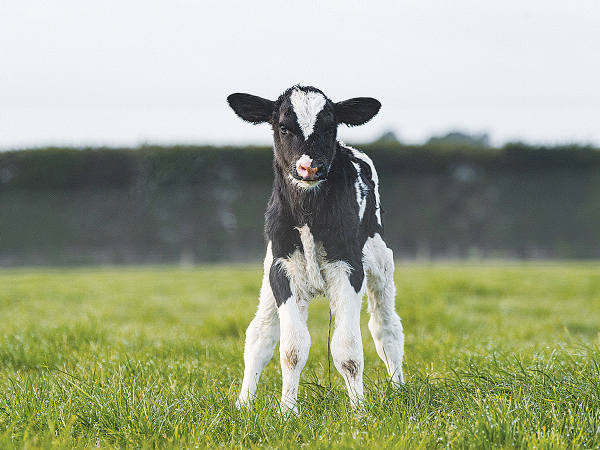
Our goal with calf nutrition is to develop the rumen so it can absorb and convert nutrients from eating grass and feed once weaned. Calves receiving the correct balance of vitamins and minerals early will achieve growth targets quickly, setting them up for good health later in life.
The quality of colostrum calves receive from their dams in their first 24 hours is influenced by the cow’s nutrition. High quality colostrum is vital as this provides passive immunity to help calves fight off infections for the first months of life as their immune systems develop.
When it comes to hard feeding, high quality feeds and supplements need to be formulated especially for calf growth and health. These should contain trace minerals, vitamins, and key amino acids.
By giving calves a nutritionally balanced diet in the first weeks of their life, you’re setting them up to achieve all milestones as they mature, and much higher production potential when they join the herd.
Cow and calf health are inextricably linked, as both rely on optimum nutrition.
A well laid nutritional plan is the most effective way of ensuring superior performance at every stage of your animal’s life.
Article supplied by Agvance