Seeka Posts Record $62m Profit as Zespri Lifts 2026 Forecast
More signs of a booming kiwifruit sector.
 increase font size
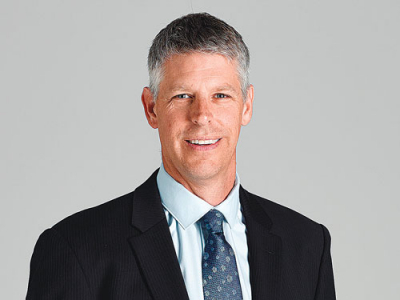 Lain Jager.
The Smaller Milk and Supply Herds (SMASH) conferences will be held in three North Island venues next month.
The conference theme is ‘Sharing Solutions’; events will be held in Taranaki (June 21), Waikato (June 23) and Northland (June 26).
Three speakers - Zespri chief executive Lain Jager, vet Neil Chesterton and motivational speaker Kevin Biggar - have been roped in for the day-long event.
Jager will talk about how the kiwifruit industry tackled the big challenge of Psa, and how they rebuilt afterwards to create a solid footing going forward.
Chesterton is passionate about finding solutions to reduce lameness. He will talk about the lameness risk factors and show you how important cow flow and low stress handling are as keys to reducing foot injury.
Biggar will speak about overcoming your fear of challenges, confronting doubts head-on and creating the momentum to achieve success.
Each conference starts at 9am and finish with nibbles and drinks at 5pm. DairyNZ levy payers pay $70 for the event while non-levy payers will pay $120.
More signs of a booming kiwifruit sector.
Blueberries have the potential to become a major horticultural export, earning up to $150 million within the next three to five years.
Westpac NZ has become the first New Zealand bank to receive approval from the Reserve Bank of New Zealand (RBNZ) to secure and leverage kiwifruit growers' Zespri shares.
New Zealand's kiwifruit industry has welcomed Government co-investment in a new five-year programme designed to help growers produce higher yields of premium fruit, with less water, fewer nutrients and reduced environmental impact.
Zespri's sales of kiwifruit for the 2025 season have broken all past records.


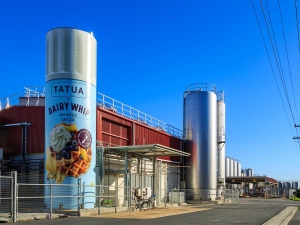
Waikato milk processor Tatua has again declared a record milk payout to farmer shareholders, leaving other processors in the dust.

A Labour-led Government won’t be bringing back the controversial freshwater rules of 2020.
National’s much-touted free trade deal with India featured in the Rural Issues Debate at Mystery Creek, Hamilton on Wednesday night.
New Zealand's 2026-27 freshwater fishing season has opened, with anglers encouraged to head to rivers and lakes over the coming days as conditions look favourable across much of the country.
Central Otago District Council (CODC) has voted against a plan to spread treated sewage sludge from Cromwell and Alexandra on farmland near Lauder, a decision Federated Farmers says reflects strong opposition from rural residents.
Pāmu has released its FY26 Integrated Annual Report, reporting a Net Operating Profit of $113 million, more than double the $49 million recorded in FY25.