M.I.A.
OPINION: The previous government spent too much during the Covid-19 pandemic, despite warnings from officials, according to a briefing released by the Treasury.
 increase font size
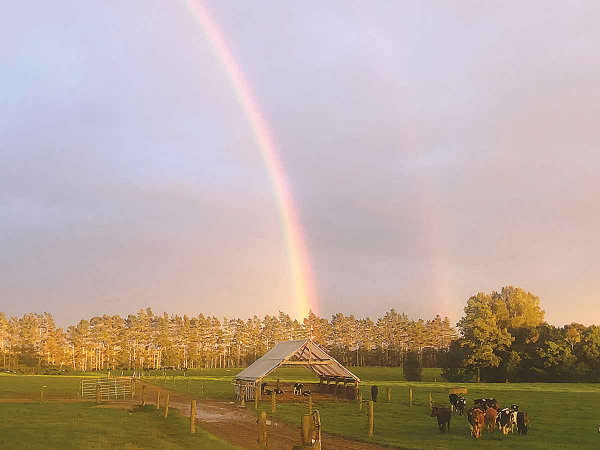
The dairy industry must lift its game if it wants to play a role in revitalising New Zealand’s bruised economy, says Northland farmer and founder of HerdHomes animal shelter Tom Pow.
Pow says farms must produce more milk from less imported fertiliser, increase on-farm profits and continue to work on animal welfare and the environment.
He says following the COVID-19 disruption, the economy needs a restart and the country will be looking to regional New Zealand.
Pow says local businesses like his offer farmers the opportunity to lift production per hectare and farm with less environmental risk.
“Herdhomes shelters are designed for grazing cows and farms; not housing cows,” he says.
“There is a great amount of underperformance of NZ dairy cows and good land across all regions.”
HerdHomes has built over 400 cow shelters on NZ farms.
Pow says with less damage to soils, greater care and wise usage of farm manure, plus allowing cows access to the HerdHomes shelters when the cows choose, the result is higher snowballing productivity.
“Home grown feed, hay, grass silage and in other regional different options fed with no wastage when topping up the cows’ diet also leads to greater production.”
He says farmers choosing to support local businesses will boost rural employment.
A HerdHomes shelter housing 200 cows normally take eight to 10 weeks to build by a team of four workers; skilled contractors and roof installers are also used.
Pow says farmers using HerdHomes report 25% more MS production per farm.
The life expectancy of a Herdhomes shelter, being a mainly concrete construction, is over 40 years.
Pow says his business has had a positive impact on NZ dairy farming for the past 20 years and is ready to help farmers boost efficiency.
“Once again farming will need to lift NZ out of a financial pickle: this is one way how NZ dairy farming can help with the economy.”
OPINION: The previous government spent too much during the Covid-19 pandemic, despite warnings from officials, according to a briefing released by the Treasury.
OPINION: Labour leader Chris 'Chippy' Hipkins is carrying on the world-class gaslighting of the nation that he and his cohorts started after their disastrous Covid response; now trying to undermine the Covid inquiry to protect his own backside.
OPINION: Did former PM Jacinda Ardern get fawning reviews for her book?
OPINION: Welcome to the second annual NZ Dairy Expo at Matamata – an event created to bring together the best of the New Zealand dairy industry in a focused, grassroots environment where dairy farmers and rural professionals can meet, talk, compare products, and make smart decisions for their farms.
It's a bloody tough year for sheep farmers, but the worst may be over, and the future looks optimistic.



Fonterra Co-operative Group chief financial officer Andrew Murray has resigned to take up a role outside the dairy giant.
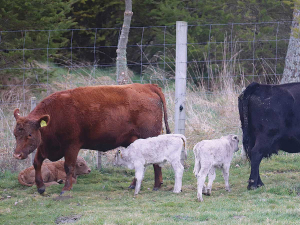
A major move is about to get underway to improve the quality and viability of dairy beef and cattle in NZ.
Veterinarians say changes to the code of welfare for dairy cattle provides a positive foundation for improved cattle welfare across the country.
Today, 15 October, is the International Day of Rural Women, which recognises rural women’s contribution to farming, communities and the environment.
Global dairy giant Lactalis has integrated its Australian operations with the Mainland Dairy consumer business it acquired from Fonterra earlier this year.
High country stations, mixed sheep and beef farms, Māori-owned farms, corporates and family operations are among the nine commercial farms taking part in the Livestock Innovation Farming Transformation programme, known as LIFT.