
It says there are unanswered questions and it will continue to work on behalf of farmers to ensure any new rules are clear.
It will also ensure farmers have the support, tools and information they need to respond to new regulations.
At a regional level some farmers will be impacted more than others. DairyNZ will work at a local level to help farmers through any changes that may be required.
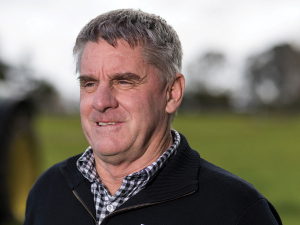
DairyNZ chief executive Dr Tim Mackle says sector feedback has resulted in significant change to the Government’s Essential Freshwater package, but there is still a sting in the tail.
“Over the last eight months DairyNZ has advocated for an evidence-based and pragmatic approach to freshwater regulation.
“We are pleased to see government has listened and made significant changes to some of the more controversial elements of their original proposal,” says Mackle.
“Like all New Zealanders, dairy farmers share ambitions for healthy waterways and have invested a lot of time and money for over a decade in improved management systems, upgrading effluent systems, riparian planting and fencing streams to exclude cattle.
“Looking at where the policy has landed, it appears that the Government have taken a better approach in terms of scientific rigour and practicality for farmers on the ground.”
Achievements to date
• Fencing off dairy cattle from 24,249km (98.3%) of significant dairy accord waterways (waterways which are more than one metre wide and more than 30cm deep). That’s the equivalent of nearly 12 road trips from Cape Reinga to Bluff. Excluding stock from waterways is one of the most beneficial ways to improve water quality.
• Installing bridges and culverts on 100% of stock crossing points dairy cows use.
• Preparing 10,396 nutrient budgets – up from 6,400 budgets in the first year of the Accord. Nutrient budgets allow farmers to carefully plan nutrient applications and manage nutrient losses.
• Assessing 100% of Accord farms for effluent management practices – this process checks that farms have appropriate infrastructure and systems in place to manage effluent.
• Developing riparian management plans to protect water quality on 52% of Accord farms with waterways.