OPINION: It's time to fight back against Silver Fern Farms’ emissions agenda.
It’s disheartening and enraging to see Silver Fern Farms betray the very farmers it claims to represent and surrender to global greenwashing under the false banner of “sustainability”. Their latest email (18/12/24) outlining Scope 3 Emissions Targets is not just misguided, it’s a blueprint for the destruction of New Zealand farming independence, livelihoods and the integrity of our world-class farming systems, orchestrated by those meant to defend us.
Let me strip away the platitudes and examine the true implications of this harmful overreach:
A Trojan Horse for Compliance
Silver Fern Farms claims these targets aren’t mandatory, but the language reveals a thinly veiled roadmap toward exactly that: “collaboration,” “capturing better data,” and “reporting emissions” are corporate-speak to pave the way for compulsory compliance. Today, it’s “voluntary”; tomorrow, it’s enforced penalties for non-compliance.
A Betrayal of Farmers
Silver Fern Farms’ decision to kowtow to global emissions agendas is unnecessary and deeply insulting to New Zealand farmers, the world’s most efficient producers of natural, pasture-fed, low-input food. Instead of championing this, which is what consumers want, SFF is bowing to corporate-driven Scope 3 demands that misrepresent market realities. By pandering to disconnected corporates, SFF are undermining the very advantages that set our farming apart globally.
Moreover, it’s hypocritical for Silver Fern Farms to heed the demands of supermarket tyrants while ignoring the growing number of actual customers who do not want meat contaminated by vaccines and boluses. The disconnect between corporate agendas and genuine consumer preferences has never been more apparent.
Chasing False Markets
The email touts deals with “highvalue U.S. retailers” as a justification, but it’s just a smokescreen. These deals serve corporate PR, not the well-being of NZ farmers. The cost of meeting their arbitrary “sustainability” demands falls squarely on farmers, through increased admin, costly compliance, and unnecessary biotech solutions—all while profitability declines.
The Myth of Methane
Farmers are being blamed for warming impacts no one will quantify. Even the Government’s own panel avoids specifics about our warming contribution—because acknowledging the truth would expose that cows are not the climate villains they’re scapegoated as?
- Professor David Frame calculates warming from NZ livestock at just 0.0004°C by 2100.
- Professor William van Wijngaarden calculates killing all NZ livestock tomorrow would reduce warming by a miniscule 0.000003°C per year
These numbers are effectively zero. Yet Silver Fern Farms excludes sequestration from its calculations— because including it would prove most farmers are already net zero!
A Path to Biotech Dependence
The push for emissions vaccines, feed inhibitors, and GM breeding hands control of farming to biotech monopolies. SFFs’ partnership with AgriZero, funded with cooperative money, is a dangerous step toward forcing farmers into unnatural, corporate-controlled inputs irrespective of their long-term consequences.
Undermining Our Competitive Edge
New Zealand leads the world in producing high-quality, natural, grassfed food. By chasing emissions-focused corporate agendas, SFF risks erasing this advantage. The world doesn’t need another factory-farmed, greenwashed supply chain. It needs authentic, ethically produced food from free-range, pasture-raised animals.
The Data Trap
Urging farmers to “help out with data” is tantamount to asking them to dig their own graves. Once handed over, they lose control over how that information is used. It is not difficult to foresee a future where this data becomes the basis to justify market exclusions, mandatory mitigations, or crippling taxes.
Fueling Government Missteps
The most concerning aspect of this initiative is the influence it will inevitably have on government policy. As such a significant player in the NZ ag industry, SFF’s statements mislead the Government into believing farmers broadly support these measures. This will perpetuate and entrench policies that take us closer to destructive and unnecessary paths, creating a framework that will harm farmers for generations to come.
A Call to Action
Farmers, shareholders—this is your moment to fight back. Demand transparency, reject this overreach, and flood Silver Fern Farms with complaints. Insist on a full, fair vote, free from corporate manipulation, not just ‘online drop-in sessions’. Silver Fern Farms must remember they are supposed to work for us, not undermine us. Let’s hold them accountable and protect the future of New Zealand farming.
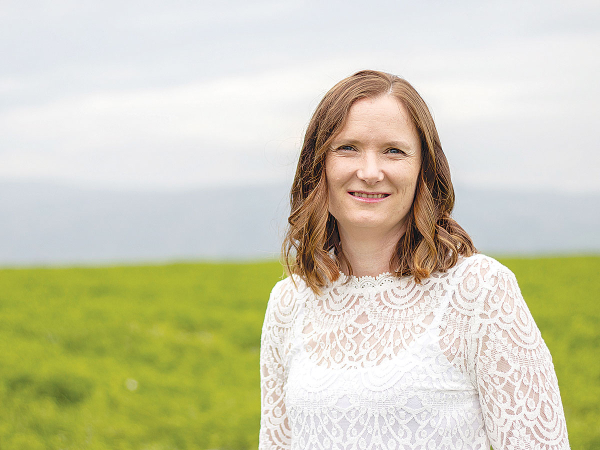
Paige Wills is a sheep and deer farmer in the Waitaki Valley, SFF supplier and shareholder.