#BootsOfShame: Safer Farms Urges Farmers to Check Footwear
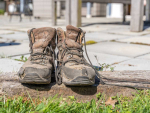
Safer Farms is urging farmers to make sure everyone working on farm has safe, suitable footwear for the job.
 increase font size
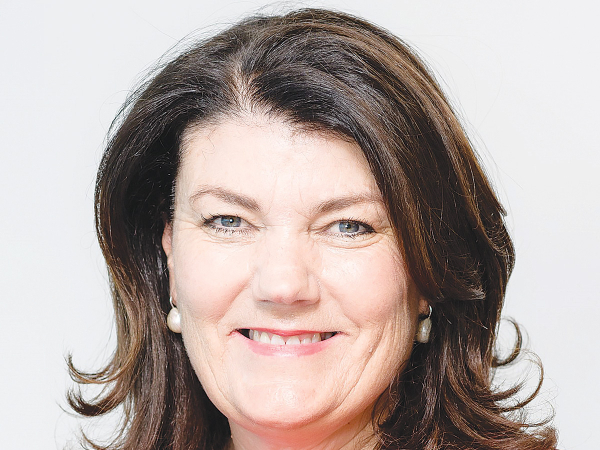 Chair of Safer Farms Lindy Nelson.
OPINION: Last month I stood with farmers and industry leaders on farms in Canterbury and the Wairarapa to launch the Farm Without Harm strategy.
This is a bold new system-wide approach to harm, and a new campaign called Half Arsed Stops Here.
We gathered to take a stance and draw a line in the sand. This was us saying we no longer accept the poor safety performance of the agricultural sector and the needless loss of life and long-term disability from injuries or disorders. This impacts our lives and our ability to farm and live well.
It acknowledges it will take all of us to get to none of us dying, being injured, or suffering from mental harm in the production of food. It's all our problem to solve.
This strategy, action plan and campaign is about us gathering to get it right, to develop approaches that work for us. It's a strategy that has been developed by us, for us, recognising we hold the solutions and trusting if we commit to this and develop a whole-of-system approach, we will be successful.
It is not about compliance measures or high-vis' gear or helmets, but about working together, designing risk out of our system, finding practical solutions, valuing our own and others' safety and recognising that we are human and fail - so when we do, how do we fail safely?
So, what is different about this? Firstly, it acknowledges we want to be in the driving seat when developing solutions, we learn best from our peers and it's in our DNA to protect and care for one another.
It signifies farmers and farming communities setting new standards, and acknowledging the risks involved or practices that jeopardise our wellbeing or the wellbeing of those around us.
The strategy emphasises open communication and collaboration to discover and share solutions that work best for us, while rejecting any attitudes or practices that jeopardise our well-being or the well-being of those around us.
The Half Arsed Stops Here campaign is a provocative message to start changing attitudes – a key component of the Farm Without Harm strategy. It’s a recognition that we need to do things differently. Half arse is a language farmers recognise and use.
We needed a grounded, motivating, strong and relevant brand. To get traction on this issue, the community has to feel that they own it – and it comes from their voice. We also wanted our famers to feel that the prevailing attitude has changed, from a mindset that sees taking precautions as a sign of weakness, to a sign of professionalism and experience.
Rewriting our story of harm will not be easy or quick. But we owe it to those we’ve lost, and those who will farm after us, to work towards a future where every day, farming Kiwis protect each other from preventable harm.
Nothing is more effective in championing the value of simple, everyday decisions and conversations to reduce farming risks and their human cost than the voices of farmers themselves.
It is a shared responsibility that extends to everyone, from the most remote regions to the boardrooms, from the field to the family breakfast table.
We all have a stake in creating a safer farming industry, and we all have a role to play.
Today, I issue a challenge to rural organisations, enterprises, and farming communities— regardless of their size— to step up and sign our pledge.
Let us come together and take a stand for the well-being of our farmers, our communities, and our nation. Sign the pledge and be part of the movement. Please visit www.farmwithoutharm.org.nz.
Lindy Nelson is the chair of Safer Farms
Safer Farms is urging farmers to make sure everyone working on farm has safe, suitable footwear for the job.
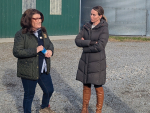
A huge reduction in ACC claims from on-farm accidents over the last five years is due to thousands of small, practical decisions being made in sheds, yards, paddocks and around kitchen tables across the country, says Safer Farms ambassador Lindy Nelson.
Lindy Nelson, Safety Farms ambassador, has been named the winner of the Leadership category at the 2026 New Zealand Workplace Health and Safety Awards in Auckland.
Safer Farms ambassador Lindy Nelson's dedication to "rethinking how the primary sector works together to reduce harm on farm" has been recognised with a finalist place in the New Zealand Workplace Health and Safety Awards for 2026.
As the Agri Women’s Development Trust (AWDT) begins the process of winding down, the organisation’s general manager Julia Jones says there’s still a place for its programmes within the industry.


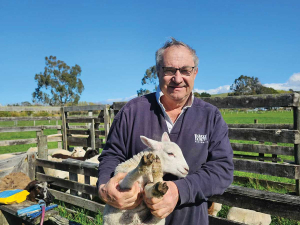
Decades piloting planes has ensured vet and farmer David Hayes is focused on safety. So, after a serious accident while welding on farm, he is sharing his experience so others can learn from it.
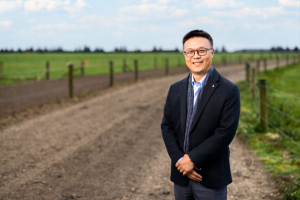
Canterbury milk processor, Synlait Milk has confirmed Leon Fung as its chief executive officer.
OPINION: Making it easier to collect rainwater and use it to grow crops and livestock is a no brainer.
As part of its Election 2026 coverage, Rural News asked political parties how they would help pull the arable sector out of the doldrums. Here's what they said:
Farmers are being encouraged to rethink how they manage waste on farm with the launch of ruralwastesorted.co.nz, a new website bringing together practical tips, real farmer experiences and resources.
New Zealand Winegrowers (NZW) is celebrating the India-New Zealand Free Trade Agreement (FTA) coming into force today, bringing New Zealand wine improved access to one of the world’s fastest-growing economies.