Farmers warned to upgrade as 3G shutdown looms
As the clock ticks towards the 3G mobile network shutdown, farmers are being warned to upgrade or risk losing connection to their supply chain.
 increase font size
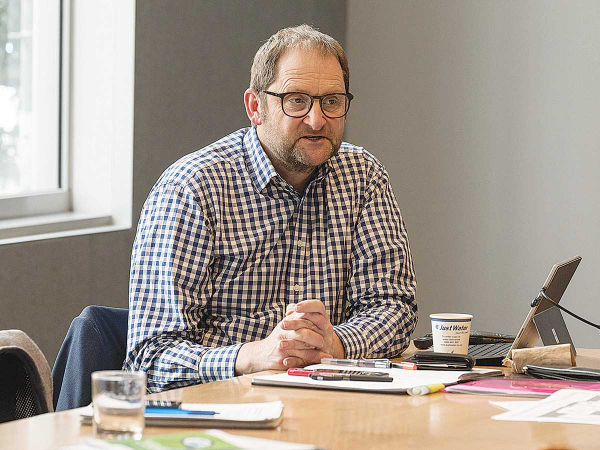 TUANZ chief executive Craig Young says organisations need to be aware, while moving online, that traditional means are necessary for some users.
OPINION: We may now be into the third decade of the 21st century, but unfortunately much of NZ’s rural broadband and mobile coverage remains at third world levels.
That is unacceptable in a modern, first-world country like New Zealand. How is it still the case that many farmers and rural businesses around the country have to buy costly equipment to get broadband, while many others cannot even get mobile phone coverage at all?
As the Technology Users Association of NZ (TUANZ) chief executive Craig Young says, rural people should be getting the same level of connectivity in terms of broadband and mobile coverage as the people who live in urban areas.
It is even more important for rural people to have high quality connectivity, given their often remote locations and the fact that they are running significant businesses – not only farming, but other service related enterprises.
“We are expecting New Zealanders to make the most of this digital technology and services with government agencies and corporate organisations expecting customers to do more and more online,” Young explains. “Organisations like IRD and banks need to be aware that if people can’t connect or haven’t got good connectivity they should be able to do these things by the traditional means.”
He is absolutely right.
How can rural people be expected take advantage of digital technology when many do not have access to reliable, affordable broadband?
Meanwhile, the Climate Change Commission, in its recent report, said that if farmers and people in rural areas are going to be expected to meet all sorts of environmental targets and provide data to local and central government agencies, they need good connectivity.
If government and others are expecting the farming and the rural sectors to play their part in reducing the country’s carbon emissions, reliable and affordable connectivity is a must.
The Government needs to step up and make rural broadband connectivity and mobile phone coverage a priority in its post-Covid infrastructure plans. PM Jacinda Ardern promised to govern for all New Zealanders when she was re-elected last year.
How can this be so when young rural people risk being disadvantaged in their education, and others with their health and businesses?
Ardern and her Government now must act on her election night promise.
Rural people deserve same access to health, entertainment and business options as their urban counterparts.
As the clock ticks towards the 3G mobile network shutdown, farmers are being warned to upgrade or risk losing connection to their supply chain.

Rural people should be getting the same level of connectivity in terms of broadband and mobile coverage as the people who live in urban areas.
The acceleration of two rural communications initiatives announced by Government last week is good news, but more is needed, says the Telecommunications Users Association of NZ (TUANZ).
The MobileTECH conference at Rotorua was heralded as a showcase for emerging technologies and a forum to bring together designers, innovators and early adopters.
The Telecommunication Users Association of New Zealand (TUANZ) rural connectivity symposium will be held on April 28 at the Westpac Stadium in Wellington.



Federated Farmers has welcomed new rural policies released by ACT, saying they align closely with its own election priorities.

Rural Contractors NZ says proposed changes to land transport rules for agricultural vehicles are a welcome response by the Government to out of date regulations which have seen members hit with huge fines.
Alliance is calling for final applications for its 2027 Graduate Programme, with applications closing on Sunday 25 October.
Decades piloting planes has ensured vet and farmer David Hayes is focused on safety. So, after a serious accident while welding on farm, he is sharing his experience so others can learn from it.
Canterbury milk processor, Synlait Milk has confirmed Leon Fung as its chief executive officer.
OPINION: Making it easier to collect rainwater and use it to grow crops and livestock is a no brainer.