Massey Adds New Majors in Agritech, Animal Science
Interest in agritech and production animal systems has prompted Massey University's School of Agriculture and the Environment to new majors to its popular animal science degree.
 increase font size

OUR PRIMARY industries need bright people: those with a strong work ethic and determination to excel, who can build a future for themselves and their families.
Off-farm, the primary industries need people who understand the cultures and languages of the countries we export to. We need people who have the technical nous to develop new products or add value to those we currently produce. We need people who can help us to reduce agriculture’s environmental footprint while increasing production.
We need everyone from engineers to the skilled trades to support what we do. And we need switched-on farmers.
Last year, however, the primary industries collectively graduated only 365 people at degree level right in all disciplines. A further 287 people were awarded certificates and diplomas. This isn’t many when those industries employ almost 150,000.
In 2013, we graduated just 99 people in agricultural science degrees and a further 37 in horticultural science.
In that same year, 186 people were capped with degrees in drama and theatre studies. There were 418 acting jobs in 2012, says MBIE. It added, “the chances of getting work as an actor are limited because the performing arts industry in New Zealand is small. This also makes it difficult to sustain a career as a full-time actor. Many actors supplement their income with other jobs.”
I take the last point to mean barista.
Last year, we graduated 20 more people with degrees in music than every degree level discipline in the primary industries. It is a similar story in the pure sciences too.
How on earth has it come to this? We are punching out graduates in anything so that our politicians can claim we’ve got an educated workforce, but in what, selling shoes?
The problem comes back to the proliferation of school qualifications where ‘media studies’ is of equal standing with physics. Which one is easier? This continues on at tertiary level where the strategy seems to be, if you offer a degree in it, they will come. That’s why we graduate more acupuncturists than forestry scientists.
By 2025, we’re told two-thirds of all primary industry roles will demand a post-school qualification. These figures throw real challenges at us; are we moving fast enough and how are we going to turn this mess of qualifications around?
It could start by narrowing the subject choices at school and by deciding that not every occupation needs a degree to be relevant or worthy. Just look at the skilled trades and our trainees going through the Primary ITO.
Our universities and polytechnics should be talking to Lincoln and Massey about offering post-graduate vocationally focused qualifications in the primary industries.
A one year post-graduate practical diploma, or a two-year masters in farm administration degree would give even graduates in theatre studies wider career options. It also widens the pool of graduate talent we need to succeed.
Rick Powdrell is chair of Federated Farmers meat and fibre section and a member of the federation’s national board.
Interest in agritech and production animal systems has prompted Massey University's School of Agriculture and the Environment to new majors to its popular animal science degree.
The industry is crying out for graduates with agricultural related degrees.
Special courses for secondary school teachers to help excite kids about agriculture and horticulture are now being run at Massey University.
Twenty five secondary school students from around New Zealand recently completed a three day residential programme designed to explore career opportunities across the food and fibre production supply chain.
A Federated Farmers survey shows the rural sector is plagued by thieves, rustlers and poachers but not enough farmers are reporting their losses.


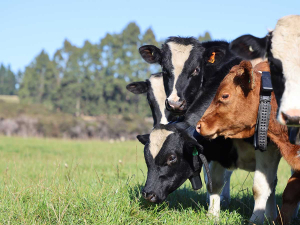
High country stations, mixed sheep and beef farms, Māori-owned farms, corporates and family operations are among the nine commercial farms taking part in the Livestock Innovation Farming Transformation programme, known as LIFT.
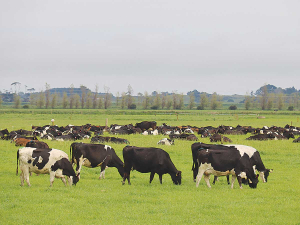
OPINION: New health and safety guidance unveiled by the Government recently provides farmers greater certainty about what is expected of them when managing risks on farm.
The National Animal Welfare Advisory Committee (NAWAC) is seeking public feedback on proposed changes to the Code of Welfare for Rodeos.
A New Zealand initiative supporting farmers to restore the health of grazing landscapes has received international backing through the Regenerative Fund for Nature, a global collaborative fund supporting regenerative agriculture and the communities that produce natural fibres for the fashion industry.
Combine premium New Zealand products, blend in a family ritual and what do you get? A world-class functional drink.
Entries are now open across eleven regions for the 2027 New Zealand Dairy Industry Awards (NZDIA).