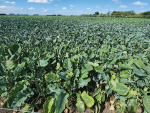
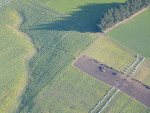
Farmers are being encouraged to carefully consider where and how they will establish next winter’s forage crops – taking into account soils, slope, water bodies, shelter, livestock classes and regulations.
Beef + Lamb New Zealand’s (B+LNZ) environmental policy manager Heather McKay is urging farmers and contractors to think about this when sowing winter feed crops this spring.
She says they need to consider both the Intensive Winter Grazing regulations (which come into force on 1 November) and the environmental impact of growing and grazing those crops. This means selecting the appropriate paddocks to minimise run-off while maintaining the highest standards of animal welfare.
“The way the crop is established, the type of crop, matching the stock class with the soil type and the appropriate grazing management can all help ensure soil, water and nutrient resources are retained within the paddock and not lost to the environment,” McKay explains.
Identifying and isolating gullies, swales and drains, known as critical sources areas (CSAs) before establishing a crop (these must not be cultivated or sown in a forage crop) and ensuring there is a stand-off area for stock in wet weather will all help minimise the environmental impact of grazing forage crops over winter.
McKay encourages farmers to have an Intensive Winter Grazing Plan in place which identifies any risks associated with growing and grazing winter forage crops. This allows mitigation measures to be put in place early.
“Having a plan ensures the farm team is clear about what they need to do to ensure best-practice winter forage crop management is being followed from paddock selection and crop establishment to post-grazing management.”
Understand The Risks Of Winter Grazing
Winter grazing can increase the risk of sediment, harmful bacteria and nutrients ending up in water.
Reducing this risk begins with paddock selection. Paddocks with water flowing through or over the soil present the most risk. For example: paddocks with sub soil drainage systems, paddocks on slopes or paddocks with stony free draining soils.
Once a suitable paddock has been identified, to reduce the risks think carefully about:
- Establishment methods
- How they will be grazed
- What animals will be grazing them
- Catchment-specific water quality issues
In catchments where nitrogen leaching is a problem, farmers should be aware that growing and intensively grazing crops increases the risk of nitrogen leaching and should avoid intensively grazing on shallow, stony soils over winter. In catchments where phosphorus and sediment loss are the main issue, the focus should be on the proximity to waterways and reducing overland flow.
Soil type can impact productivity, nutrient loss and animal welfare. Farmers with light or stony soils could consider using catch crops to capture nutrients. Ideally, only lighter classes of stock should graze on heavy soils during winter. Heavy soils are at greater risk of pugging, compaction and structural damage. On soils prone to pugging, consider leaving areas of the paddock in grass for animals to rest on.
Damage to soils from poor grazing management of winter crops will impact on the future productivity of that paddock.
At A Glance - Revised Winter Grazing Regulations
Pugging: farmers are required to take all practicable steps to minimise the effects of pugging on freshwater.
Resowing dates: farmers have a duty to establish vegetation as ground cover as soon as practicable after grazing. This will help minimise nutrient and sediment losses from bare ground after winter grazing.
Critical Source Areas: (gullies, swales or low-lying parts of a paddocks where run-off accumulates). These must be left ungrazed, have vegetation as ground cover and must not be cultivated in an annual forage crop. Critical source areas play a major role in reducing the loss of contaminants into waterways.
Critical Source Areas: (gullies, swales or low-lying parts of a paddocks where run-off accumulates). These must be left ungrazed, have vegetation as ground cover and must not be cultivated in an annual forage crop. Critical source areas play a major role in reducing the loss of contaminants into waterways.