
Pāmu FY26 Report: Profit More Than Doubles to $113m
Pāmu has released its FY26 Integrated Annual Report, reporting a Net Operating Profit of $113 million, more than double the $49 million recorded in FY25.
 increase font size
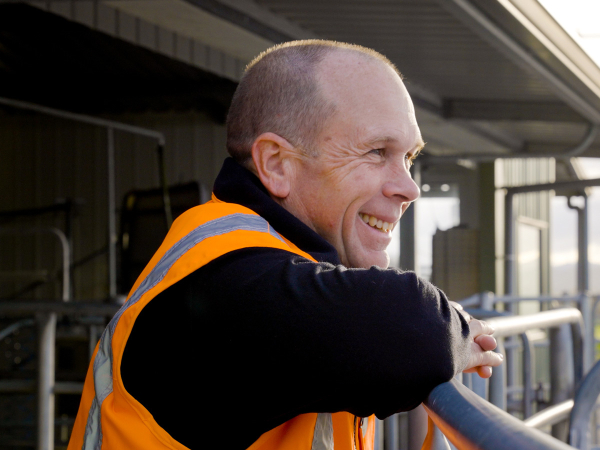 Pāmu chief executive Mark Leslie.
State farmer Pāmu is throwing its support behind three national charities this year.
Meat the Need gets $25,000, Rural Change (Will to Live) $12,500, and IHC Calf and Rural Scheme gets 41 calves valued up to $20,000.
Pāmu chief executive Mark Leslie says as New Zealand’s largest farmer, the company is conscious of its responsibilities to people and communities.
“Our strategic pillars include being a leader in health, safety, and well-being, as well as supporting the communities in which we farm.
“These three organisations are doing great mahi across the country.
“While we have supported IHC for decades, we became involved with Meat the Need at its inception in 2019, and this year we’ve agreed to support Rural Change in recognition of the work they are doing on the rural well-being coalface, particularly post-Cyclone Gabrielle.
“We are proud to back these organisations who align well with our company values and are also innovating and leading positive change.”
Meat the Need is dedicated to New Zealand farmers feeding New Zealand families. The organisation works with farmers, processors, and established food banks and missions to get mincemeat to families who face food uncertainty. Founder Wayne Langford says that the $25,000 donation from Pāmu means 21,300 mince meals to fill tummies. Pāmu has also been running a competition amongst its staff nationwide, for their best mince recipes. These will be included in food boxes in selected regions.
Rural Change (Will to Live) is focused on getting farmers and rural people dedicated psychological help when they need it. Pāmu is one of their largest sponsors, with a $12,500 donation, meaning 125 farmers can get professional help.
“Rural Change fills a vital gap in rural well-being, and since the cyclones, demand has outstripped their ability to help,” says Leslie.
“Stress and burnout are real risks for our rural communities, and it takes courage to reach out for help. It is very important to Pāmu to be part of these conversations and support the organisations who are at the coalface of farmer mental wellbeing.”
The IHC Calf and Rural Scheme has supported people with intellectual disabilities living in rural areas for more than 40 years. Pāmu farms are donating 41 calves from dairying operations across the motu, with a potential value of up to $20,000 depending on their final weight.
Pāmu has released its FY26 Integrated Annual Report, reporting a Net Operating Profit of $113 million, more than double the $49 million recorded in FY25.

A partnership between state-owned enterprise Pāmu (Landcorp Farming Limited) and charity Meet the Need is putting more than quality New Zealand beef into food bank parcels this year.
State farmer Pamu has delivered its strongest operating result on record.
Beef+Lamb New Zealand and the Ag Emissions Centre have launched a new research project aimed at helping beef farmers reduce methane emissions without impacting productivity or profitability.
Food rescue charity Meet the Need has released its 2025/26 Impact Report, revealing a record year of growth alongside a stark warning: demand for food support across New Zealand is rising faster than supply can keep up.


Waikato milk processor Tatua has again declared a record milk payout to farmer shareholders, leaving other processors in the dust.

A Labour-led Government won’t be bringing back the controversial freshwater rules of 2020.
National’s much-touted free trade deal with India featured in the Rural Issues Debate at Mystery Creek, Hamilton on Wednesday night.
New Zealand's 2026-27 freshwater fishing season has opened, with anglers encouraged to head to rivers and lakes over the coming days as conditions look favourable across much of the country.
Central Otago District Council (CODC) has voted against a plan to spread treated sewage sludge from Cromwell and Alexandra on farmland near Lauder, a decision Federated Farmers says reflects strong opposition from rural residents.
Pāmu has released its FY26 Integrated Annual Report, reporting a Net Operating Profit of $113 million, more than double the $49 million recorded in FY25.