NZ Beef’s US Opportunity and the Dairy Beef Initiative
Good medium to long term prospects for NZ beef, especially in the US, has heighted the focus on various initiatives to capitalise on this situation.
 increase font size
 Silver Fern Farms chief executive Simon Limmer.
Silver Fern Farms has achieved Toitū enviromark diamond certification, the highest New Zealand-based certification.
Enviromark diamond is recognised internationally as equivalent to ISO 14001 accreditation, and to achieve enviromark diamond certification New Zealand companies in fact need to exceed some ISO requirements.
Silver Fern Farms chief executive Simon Limmer says achieving enviromark diamond is a massive endorsement for the company’s systems and the ways manages environmental impacts and risks.
“The enviromark process with Toitū has verified our processing sites as industry leaders in environmental management. I hope this gives our communities, suppliers and customers another strong signal of our continued work to tread more lightly on the environment,” says Limmer.
Silver Fern Farms group environmental manager Alison Johnstone says the process of pursuing the highest Toitū certification enabled the identification of improvements that have been made at fourteen processing sites around New Zealand.
“One example is the work we’ve done mapping and testing our stormwater drains, then permanently labelling the drains with bright blue fish-shaped plaques which include clear ‘for rain only’ instructions.
“We’ve also ramped-up environmental data collection and tracking as this lets us see improvements in real time. Better data means we can set and hold to strong targets, share quality reporting, and make informed investments to improve environmental outcomes,” says Johnstone.
Toitū chief executive Becky Lloyd says Silver Fern Farms is one of the largest companies to attain diamond certification.
“Since joining our programme in 2019, they have worked hard to achieve nationally harmonised systems and create a strong foundation to drive effective continual improvement,” she says.
Limmer says that, looking forward there is more to do.
“Across our processing plant network there is still significant investment to be made to get to where we want them to be, including work to reduce waste to landfill, improve wastewater management and phase-out the use of coal by 2030.
“We are already looking to stretch into global best practice processes and are committed to improving environmental performance across other areas of the business including our office hubs and secondary processing sites.
“We are up for the challenge, and I want to recognise our team and partners for the serious mahi done to get us to here,” says Limmer.
Good medium to long term prospects for NZ beef, especially in the US, has heighted the focus on various initiatives to capitalise on this situation.
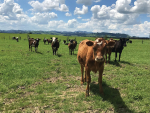
As dairy farmers lock in plans for the upcoming mating season, a partnership between Fonterra and Silver Fern Farms has been formed with the aim of making it simpler to create additional value from calves not entering the replacement herd.
Applications for Silver Fern Farms Co-operative's next board-appointed farmer director are open.
Silver Fern Farms has tackled the ongoing war-induced shipping challenges to mideast markets by airlifting 90 tonnes of chilled New Zealand lamb and beef to the United Arab Emirates.
Silver Fern Farms has successfully produced and delivered 90 tonnes of premium chilled New Zealand lamb and beef to the United Arab Emirates via airfreight.


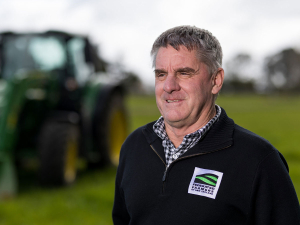
National’s pledge to introduce 19 new national standards shows the party is serious about getting Wellington out of farming, Federated Farmers says.
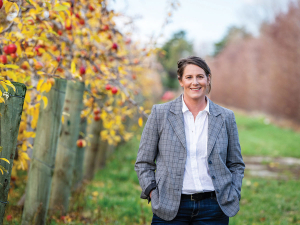
The National Party’s policies to make it easier to grow fresh vegetables, secure reliable water and energy and simplify farm planning are practical changes that will give growers the confidence to invest, according to Horticulture New Zealand (HortNZ).
Fonterra Co-operative Group chief financial officer Andrew Murray has resigned to take up a role outside the dairy giant.
A major move is about to get underway to improve the quality and viability of dairy beef and cattle in NZ.
Veterinarians say changes to the code of welfare for dairy cattle provides a positive foundation for improved cattle welfare across the country.
Today, 15 October, is the International Day of Rural Women, which recognises rural women’s contribution to farming, communities and the environment.