McRae Wins Southern South Island B+LNZ Director Vote
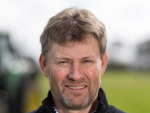
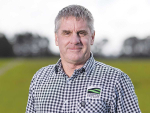
Matt McRae, a farmer from Mokoreta in Southland who runs a sheep, beef and dairy support business alongside a sheep stud, has been elected to the Beef +Lamb NZ Board as a farmer director.
 increase font size
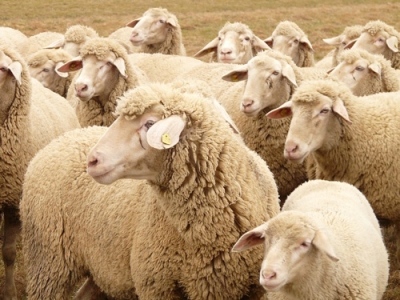 Despite the current low ebb in the sheep sector, farmers overwhelmingly did not support lobby group’s MIE remits at the BLNZ annual meeting.
MIE has overwhelmingly lost its bid for more funding from Beef + Lamb NZ (BLNZ), with 75% of farmers voting against the proposal.
It also lost its bid to have the two processor representation positions on the BLNZ board replaced by two directors from MIE.
Electionz.com, which conducted the vote on behalf of BLNZ, says the first remit on funding was lost on a vote of 75% against and 23% in favour. This equated to 12,168 votes for the remit, 39,777 against, and 777 abstained.
The first remit was: "That Beef + Lamb New Zealand Ltd endorse and fund all professional costs incurred by Meat Industry Excellence (MIE) to continue developing and implementing the savings and positive opportunities as identified by MIE in the farmer funded 'Pathways to Long Term Sustainability Report'.
The second remit – "That the two positions of processor representation on Beef + Lamb New Zealand Ltd be removed and replaced initially with two directors from Meat Industry Excellence (MIE)" – also failed with 76% of voters against and 20% in favour.
Voting was 10,616 for the remit, 40,471 against and 1439 abstained.
BLNZ chairman James Parsons told Rural News he was pleased the Meat Industry Excellence delegates to the annual meeting in Waitangi played the ball not the man in the discussion – and just debated the principles.
"We let them have the opportunity to debate the case," he says.
Some of the discussion drifted away from funding to the need for the industry reform. He had heard most of the arguments before but the board was still firm in not supporting the remit.
"One of the points I made is that we have given quite a bit of funding to MIE over and above the $290,000 for the Pathways report and the business plan; we gave them $20,000 prior to help develop a business plan.
"They had a remit in 2014 similar to what we had today. It was short on detail, more on principle... so in 2014 after farmers voted in support of that remit we gave them some funding to put a business plan together.
"The first time they brought that back to us we said that is not good enough to fund, go back and do some more work. Finally we found something we thought was worth funding.
"Prior to that we'd given them a lot of funding – $60,000 in total – to help with some of the awareness meetings on the need for industry reform. That was back when MIE first got going – back in 2013 and there were all those meetings they ran.
"Then there was a budget overrun on the Pathways report which we helped out with – just under $20,000. BLNZ feels we have been very reasonable and tried to help MIE get some of this stuff out.
"We don't believe funding more analysis and more awareness campaigns will really change anything unless there is a real appetite from the commercial base to actually do something about it. That's the justification of the board's position."
There wasn't a lot of support from the floor for having MIE members replacing industry directors on the board, said Parsons – apart from the MIE members themselves.
Mixed fortunes
In terms of the mood around the industry Parsons says the beef and wool side is reasonably pleased with some of the pricing. But lamb and mutton prices have been a real disappointment.
"So farmers will want to see something different. Some of this is volatility – that is something we are going to have to get better at managing and living with. It is not something that will ever stop.
"I think one of the issues is lack of demand for lamb. We can talk about volatility until the cows come home, but if there is high demand for lamb you ride through that in a lot better fashion."
They want to have good discussions with farmers about options as they go through their farmer meetings round this winter.
Matt McRae, a farmer from Mokoreta in Southland who runs a sheep, beef and dairy support business alongside a sheep stud, has been elected to the Beef +Lamb NZ Board as a farmer director.
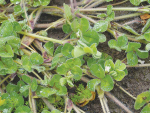
Recent widespread autumn rain will have triggered the germination of subterranean clover seeds, and the resulting seedlings should be allowed to reach the 3–4 trifoliate leaf stage before grazing, says Beef+Lamb NZ.
A hub farm in each of Beef + Lamb NZ’s seven regions and more focus groups are being rolled out for the red meat sector this year.
The red meat sector is poised for a strong rebound this season, with export receipts forecast to top $10 billion and farm profitability to almost double.
Progeny testing at Pāmu’s Kepler farm in Southland as part of Beef + Lamb New Zealand’s Informing New Zealand Beef programme is showing that the benefits of hybrid vigour could have a massive impact on the future of beef breeding.


The Royal New Zealand College of General Practitioners (the College) and Hauora Taiwhenua Rural Health Network are calling for investment in a proposed new training pathway for rural GPs, warning that many rural practices are struggling to recruit while a large share of the existing workforce nears retirement.
Federated Farmers has called on Central Otago District Council (CODC) to drop or vote down a plan to truck sludge from Alexandra and Cromwell to farmland near Lauder, warning it would compound an "outrageous" situation created by a separate council's decision weeks earlier.
Synlait has swung to second-half profit as operations stabilise, but the dairy processor still posted a $75.4m annual loss.
LIC shareholders have elected a new North Island representative to the co-operative's Board, along with five representatives to its Shareholder Reference Group (SRG), following the company's Annual Meeting held in Invercargill.
Farmers across parts of Southland and South Otago are continuing to deal with difficult conditions after a prolonged run of wet weather, with pressure building around feed supply, stock management, pasture damage, farm infrastructure and everyday workloads.
Federated Farmers says it welcomes Labour's commitment to reviewing the Sharemilking Agreements Act, calling on other major parties to do the same.