Growers See Red Over Proposed Blueberry Import Standards
New import standards could put New Zealand’s blueberry industry and the wider horticulture industry at risk.
 increase font size
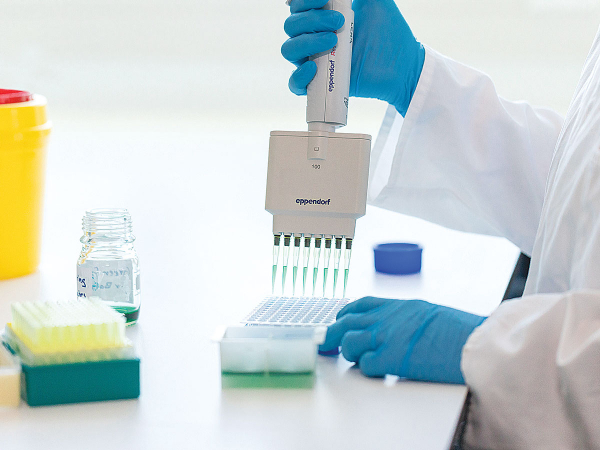 The National Animal Health Laboratory has acquired a $580,000 robot to perform animal disease testing.
Could robotics be the secret to faster and improved animal disease testing?
It’s certainly a possibility, say Biosecurity New Zealand, who recently invested in a new antibody testing robot for the National Animal Health Laboratory.
The $580,000 high throughput diagnostic robot is the first of its kind in New Zealand and it is said will increase testing accuracy and consistency during future biosecurity responses.
“The Mycoplasma bovis outbreak gave us useful insights into how our laboratory could increase its capacity during a response. In particular, it highlighted the need for automation,” says Animal Health Laboratory manager Joseph O’Keefe.
“If an exotic disease such as foot-and-mouth disease (FMD) arrived here, our people could need to test some 3,000 up to 7,000 samples a day,” he says.
O’Keefe says automating the process will speed up the delivery of results, making the process faster for farmers and better for the wellbeing of everyone involved.
The Explorer G3 workstation was manufactured in Germany and is designed to test up to 7,000 samples per day for antibodies to FMD and other exotic diseases.
O’Keefe says the robot doesn’t need frequent attention or intervention, freeing Animal Health Laboratory staff for other testing and providing stability throughout intense response periods.
It can also run tests overnight without staff present.
“Testing delays can affect our economy as antibody testing is essential for maintaining the access and security of product exports to New Zealand’s international markets. If there is an exotic disease outbreak in New Zealand’s animals, automation will allow us to recover faster.”
The 750kg robot took a week to set up, with each part being brought safely into the biosecure containment area.
Once it was assembled, the team ran it through stringent testing and calibration to ensure the tests were as accurate as the current manual process. Now that this has been confirmed, the robot has begun day-to-day diagnostic testing.
The machine achieves its efficiency through moving test plates around. Each plate can contain approximately 90 samples and the robot manages up to 40 plates at once. Simultaneously, it adds samples and different reagents, washes and incubates the test plates.
Outside of responses, the robot is used to perform antibody tests for surveillance programmers, and for testing groups of animals for import or export purposes.
New import standards could put New Zealand’s blueberry industry and the wider horticulture industry at risk.
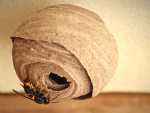
Biosecurity New Zealand says Kiwis should continue to keep an eye out for yellow-legged hornets (Vespa velutina) over the holiday season.
Biosecurity New Zealand is intensifying its campaign to locate and eliminate the invasive yellow-legged hornet, following confirmed detections on Auckland's North Shore.
Biosecurity New Zealand says that more officers, detector dogs, and airport hosts, accompanied by an enhanced public awareness campaign, will bolster New Zealand’s biosecurity protections this summer.
A tropical insect pest with a big appetite for corn has been identified on the West Coast, the first time it has been found in the South Island.


Carrfields has announced the appointment of Stu Hall to the newly created role of chief operating officer, Carrfields Ltd, reflecting the continued growth of their agribusinesses and the need to ensure the company has the leadership capacity and support in place as it pursues the emerging opportunities ahead.

New Zealand's role is not to compete with Indian growers, according to NZ Apples and Pears.
The potato industry is celebrating the success of two rising stars - James Blair, the 2026 Young Grower of the Year and runner-up and innovation award winner, Amber Davy.
Twenty-eight emerging leaders from across the horticulture sector spent two days last month learning valuable skills and connecting with industry experts.
There are five entrants in this year’s Young Horticulturist of the Year, competing in a series of technical, practical, business and leadership challenges.
A seasoned horticulturist has been appointed to deliver the Apple Action Plan, a key initiative of the India-New Zealand Free Trade Agreement.