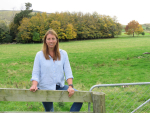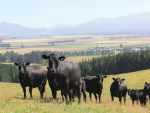
BVD Control Begins Long Before You See A Problem
Bovine Viral Diarrhoea (BVD) is sometimes viewed as a dairy industry issue, but the reality is that the disease can have serious consequences for beef breeding herds as well.
 increase font size

The independent report on Psa highlights issues of setting and implementing border standards, says NZPork.
This includes the need for government and industry to work together to identify and to mitigate biosecurity risks.
Owen Symmans, NZPork chief executive officer, said: "The report identifies a series of issues in import health standards and border processes which are matters of major concern to the NZ pork industry through its experience in setting pig meat border standards to manage the risk of PRRS (Porcine Reproductive and Respiratory Syndrome).
"These include a comprehensive analysis of all hazards associated with imported risk goods and the importance of engagement with industry in setting border standards to assess the risk, and address and resolve scientific uncertainty and knowledge gaps.
"NZPork is fully supportive of the recognition that research funding should be available to fill key scientific gaps to ensure standards remain science-based and current. "
"New Zealand needs a biosecurity system which is robust, transparent and fair to all industries, while still allowing us to meet international trade commitments.
"Communication between government and the primary sector is crucial for ensuring questions around science and risk are well understood, and that threats are effectively mitigated.
"The report highlights that industry engagement is critical in regard to setting border standards, as well as readiness and response."
Bovine Viral Diarrhoea (BVD) is sometimes viewed as a dairy industry issue, but the reality is that the disease can have serious consequences for beef breeding herds as well.

Rural leader Mark Hooper has been appointed as an independent director to the NZPork board, bringing extensive farming, governance and advocacy experience to the role.
Election years are always a concerning time for farmers, according to DairyNZ chair Tracy Brown.
As the cost-of-living crisis continues to put pressure on household grocery budgets, new figures show pork remains one of the most affordable fresh meat options for New Zealand families.
Testing confirms H5 bird flu in a single northern giant petrel, found dead on a remote Cape Palliser beach in the Wairarapa, says Dr Mary van Andel, the Ministry for Primary Industries' (MPI) Chief Veterinary Officer.


Federated Farmers says it welcomes Labour's commitment to reviewing the Sharemilking Agreements Act, calling on other major parties to do the same.
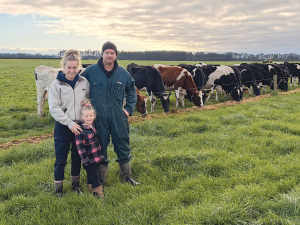
For Canterbury dairy farmers Sian Meijer and Rick Wobben, wearable technology has become one of their most valuable on-farm tools - helping manage 1850 cows across an expansive, high-performing dairy operation while improving efficiency, mating outcomes and day-to-day decision making.
Fonterra has unveiled its annual results for the 2026 financial year, posting $27 billion in revenue and close to $20 billion returned to New Zealand farmer owners and unit holders.
The first major update to the Dairy Cattle Code of Welfare in more than a decade has been released, marking what DairyNZ describes as an important step in ensuring animal welfare standards continue to evolve alongside scientific evidence and on-farm realities.
Ravensdown shareholders have elected Jane Montgomery and Kate Acland to the Ravensdown Board for three-year terms, following a closely contested director election.
Federated Farmers says new legislation replacing the Resource Management Act will cut red tape, unlock investment and help grow New Zealand's export-led economy, after the Planning Bill and Natural Environment Bill passed their third reading in Parliament yesterday.