New Research Reveals How Kiwis Really Like Their Hot Chips
New nationwide research has revealed exactly how Kiwis like to enjoy hot chips, with a simple sprinkle of salt coming out on top.
 increase font size
 Chris Claridge.
The decision to keep the potato mop top virus in New Zealand may be better for the industry.
“The cure must not kill the patient,” says Potatoes NZ chief executive Chris Claridge.
That thinking underlies the decision to manage the potato mop top virus (PMTV), confirmed in NZ in September, rather than attempt to eradicate it. “We are working with MPI and just going into the transition into long-term management,” Claridge told Rural News.
“While we don’t believe it is technically feasible to eradicate it, it might well be possible to contain it. But this is a pragmatic move: the difficulties associated with eradication were too high….
“The international advice we had was we couldn’t do it and also there would be too much disruption to the industry if we went down the eradication path. The cure must not kill the patient.”
The disease was found in Canterbury in the Innovator variety which is only used for potato chips. That variety was last imported as germplasm into NZ in July 2011. Affected potatoes can display symptoms including distortions of the skin, deep cracking and rust-coloured arcs, streaks or flecks in the tuber flesh.
MPI says the disease is endemic to North America and Europe where it is generally managed effectively without causing major production losses.
New nationwide research has revealed exactly how Kiwis like to enjoy hot chips, with a simple sprinkle of salt coming out on top.

This March, the potato industry is proudly celebrating International Women’s Day on 8 March alongside the International Year of the Woman Farmer, recognising the vital role women play across every part of the sector — from paddocks and packhouses to research, leadership, and innovation.
OPINION: As we look back on the past year, I am proud to reflect on the remarkable progress and achievements that have defined our success.
Regulation changes, future proofing the industry and ensuring fair returns are some of the challenges facing potato growers, according to Potatoes New Zealand chief executive Kate Trufitt.
A New Zealand developed and manufactured nitrogen efficiency booster is growing in popularity in China where it is used to improve potato crop production.


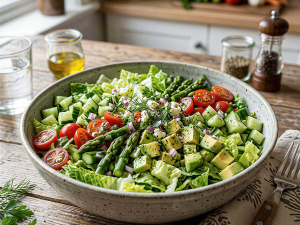
Bigger, bolder salads packed with colour, crunch and flavour are making headlines overseas — and the arrival of fresh spring vegetables means New Zealanders can now get chopping too, creating their own Great Kiwi Spring Salad.

Chinese beef trade quotas and a looming suspension of Brazilian beef imports into the European Union are expected to reshape global beef trade flows over the remainder of 2026, with implications for New Zealand exporters, according to Rabobank's Q3 Global Beef Quarterly report.
James Blair, an agronomist for AS Wilcox and the Pukekohe regional champion, has won the 2026 Young Grower national title.
An Auckland gelato shop and an established New Zealand ice cream maker have both been named Supreme Champions at the NZ Ice Cream & Gelato Awards 2026.
As the cost-of-living crisis continues to put pressure on household grocery budgets, new figures show pork remains one of the most affordable fresh meat options for New Zealand families.
OPINION: In politics, credibility is and should be big. It must surely rank higher than charisma, which is quite trite and superficial. Yet, voters nowadays are often wooed and influenced by how someone looks or talks at a superficial level. TV plays a huge role in this.