US Launches Lamb Safeguard Probe, NZ Exports at Risk
As expected, the US has launched a safeguard investigation into lamb imports, a move that could impact New Zealand sheepmeat returns.
 increase font size

THE GOVERNMENT and the commercial pork industry have signed up to a Government Industry Agreement (GIA) on biosecurity readiness.
The deed was signed by New Zealand Pork at its annual conference yesterday.
The GIA deed sets the legal framework for NZPork's participation with MPI in regard to readiness activities for its priority biosecurity risks. It also gives the industry an equal voice in decisions in the event of an exotic disease incursion.
"The industry continues to have concerns about how biosecurity is being managed, but the GIA Deed creates an opportunity for us to partner with Government in a very real and practical way on some priority issues. This agreement gives the pork industry a place at the decision table when it comes to preparing for and managing biosecurity risks specific to our industry. This is a positive step toward sorting out a critical area for New Zealand's economy," says NZPork chairman Ian Carter.
The structure of the GIA is indicative of MPI seeking to achieve the best outcomes for the sector, he says.
"That's a significant change in their approach to working with industry. I think that's a good sign. The rural sector needs good working relationships with government agencies around biosecurity and other issues impacting including environmental sustainability and animal welfare. We really need to work together to find durable solutions for the sector," Carter says.
NZPork is the first animal-based industry to enter into a GIA and the second industry overall – behind Kiwifruit Vine Health.
Primary Industries Minister Nathan Guy says this enables New Zealand Pork and the Ministry for Primary Industries (MPI) to make joint decisions on biosecurity readiness and response activities. "It means we can focus on the areas of greatest priority to the pork industry," Guy says.
"What it means in practice is a stronger, more effective biosecurity system. Those with a direct stake in biosecurity can now be directly involved in decision making and funding.
"New Zealand Pork has been a strong supporter of GIA and is already actively involved in readiness and biosecurity initiatives such as the industry steering committee on the Foot and Mouth readiness programme.
"Biosecurity is my number one priority as Minister and this is another step forward. Protecting our borders from pests and diseases is crucial to so many of our important industries.
"This is the second signing of the GIA Deed after the kiwifruit industry signed in May this year, and I'm looking forward to seeing more industries sign up."
As expected, the US has launched a safeguard investigation into lamb imports, a move that could impact New Zealand sheepmeat returns.

New Zealand's red meat sector says it welcomes the Government's focus on trade ahead of the general election in November.
New Zealand red meat exports are booming but a pending decision in the White House, Washington D.C., could dent sheepmeat earnings.
Politicians calling for New Zealand to withdraw from the Paris Agreement on climate risk damaging two of our gold-plated free trade deals.
Prime Minister Christopher Luxon says the red meat sector is doing an excellent job promoting our pasture-fed system around the globe.


LIC shareholders have elected a new North Island representative to the co-operative's Board, along with five representatives to its Shareholder Reference Group (SRG), following the company's Annual Meeting held in Invercargill.
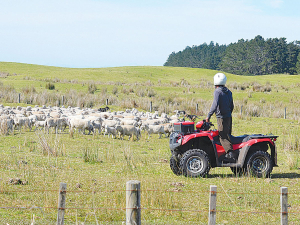
Farmers across parts of Southland and South Otago are continuing to deal with difficult conditions after a prolonged run of wet weather, with pressure building around feed supply, stock management, pasture damage, farm infrastructure and everyday workloads.
Federated Farmers says it welcomes Labour's commitment to reviewing the Sharemilking Agreements Act, calling on other major parties to do the same.
For Canterbury dairy farmers Sian Meijer and Rick Wobben, wearable technology has become one of their most valuable on-farm tools - helping manage 1850 cows across an expansive, high-performing dairy operation while improving efficiency, mating outcomes and day-to-day decision making.
Fonterra has unveiled its annual results for the 2026 financial year, posting $27 billion in revenue and close to $20 billion returned to New Zealand farmer owners and unit holders.
The first major update to the Dairy Cattle Code of Welfare in more than a decade has been released, marking what DairyNZ describes as an important step in ensuring animal welfare standards continue to evolve alongside scientific evidence and on-farm realities.