BVD Control Begins Long Before You See A Problem
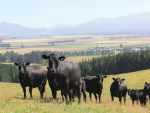
Bovine Viral Diarrhoea (BVD) is sometimes viewed as a dairy industry issue, but the reality is that the disease can have serious consequences for beef breeding herds as well.
 increase font size

Border officials sent two foreign air passengers packing last Friday after they tried to smuggle seeds through Auckland airport.
The seeds were found after a Ministry for Primary Industries (MPI) quarantine inspector became suspicious of two Chinese passport holders arriving from Shanghai and sent them to have their luggage searched.
The search unearthed 14 foil-wrapped packages of seeds. The packages had been concealed under the inner soles of shoes, within a carton lining, in a handbag and in some wedding invitations.
A police officer also conducted a personal search of one of the passengers after a MPI detector dog gave a positive indication when sniffing the pair.
As a result of the seed find, immigration officials refused the husband and wife entry permission to the country. They were sent back to China that night and are unlikely to be granted visas to enter New Zealand in the future.
"The pair acted recklessly. They either ignored or failed to understand that the illegal importation of seeds could devastate New Zealand's horticulture industry or native plant life," says MPI's Craig Hughes, Manager North Passenger and Mail.
He says the successful outcome was the result of positive interaction between all border agencies.
The seeds have yet to be identified.
Horticulture New Zealand (HortNZ) says fruit and vegetable growers around the country will be delighted to hear of MPI's dealings with the two illegal seed importers.
"MPI's decision to just send them back to where they came from suits growers just fine," says president Andrew Fenton.
"People who deliberately try to smuggle seeds into this country need to be sent packing.
"It would be nice if we could fine them heaps as well, but this sends a much stronger message to their friends, families and their own wallets."
Strong biosecurity protection is a major key to the continued growth of New Zealand's horticulture industry. "Vigilance at our border will always be the backbone for growth of all our primary sector industries. We can't grow without that protection.
"Anyone who threatens our border should get a quick look at the Arrivals Hall and then be turned around fast back to where they came from," Fenton says.
Bovine Viral Diarrhoea (BVD) is sometimes viewed as a dairy industry issue, but the reality is that the disease can have serious consequences for beef breeding herds as well.

Election years are always a concerning time for farmers, according to DairyNZ chair Tracy Brown.
James Blair, an agronomist for AS Wilcox and the Pukekohe regional champion, has won the 2026 Young Grower national title.
Testing confirms H5 bird flu in a single northern giant petrel, found dead on a remote Cape Palliser beach in the Wairarapa, says Dr Mary van Andel, the Ministry for Primary Industries' (MPI) Chief Veterinary Officer.
Bovine Viral Diarrhoea (BVD) is sometimes viewed as a dairy industry issue, but the reality is that the disease can have serious consequences for beef breeding herds as well.



New Zealand's 2026-27 freshwater fishing season has opened, with anglers encouraged to head to rivers and lakes over the coming days as conditions look favourable across much of the country.
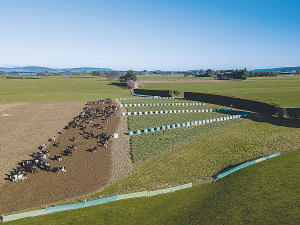
Central Otago District Council (CODC) has voted against a plan to spread treated sewage sludge from Cromwell and Alexandra on farmland near Lauder, a decision Federated Farmers says reflects strong opposition from rural residents.
Pāmu has released its FY26 Integrated Annual Report, reporting a Net Operating Profit of $113 million, more than double the $49 million recorded in FY25.
Meat Industry Association data, released alongside the Red Meat Sector conference in Wellington, shows export value climbing across the US, China, UK and Canada.
Applications are set to open for the 2027 Zanda McDonald Award, a trans-Tasman award recognised for identifying and fast-tracking talented young leaders in agriculture and agribusiness.
The Royal New Zealand College of General Practitioners (the College) and Hauora Taiwhenua Rural Health Network are calling for investment in a proposed new training pathway for rural GPs, warning that many rural practices are struggling to recruit while a large share of the existing workforce nears retirement.