Damien O’Connor Criticises Budget 2026 as ‘Miserable’ for Rural New Zealand
A miserable budget that didn’t deliver much for anyone.
 increase font size
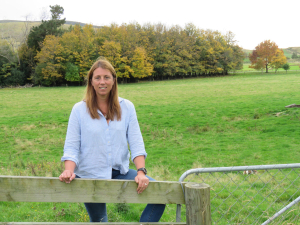
 Julie South
The Government's recent announcement that they will grant another 50 vets entry to New Zealand will not meet the country’s needs, says one recruitment expert.
On 9 June, Agriculture Minister Damien O’Connor announced border class exceptions would be granted to 50 experienced vets.
Julie South, talent acquisition consultant with VetStaff, says that while the announcement is a good start, she is uncertain how it will alleviate the shortfall, because all veterinary sectors are currently at critical levels.
“Right now, no one seems to know where these 50 vets will be allocated. It could be a lolly scramble with the various sectors fighting to get what they need,” South told Rural News.
She estimates that a further 50 to 75 vets are needed to fill the shortage once the vets already allocated exemptions are in New Zealand.
“However, they need to be the right kind of vets willing to go to where the vacancies are.”
She says New Zealand requires experienced dairy, production and companion animal veterinarians.
Another concern is whether the vets entering the country are able to fill vacancies in certain areas of the country and understand what New Zealand is like as a country.
“We need to make sure we’re letting in the right vets for the right vacancies in the right locations.”
A miserable budget that didn’t deliver much for anyone.

National's decision to ‘dribble’ information about the NZ/India to Labour contributed to the delay in it deciding to supported the FTA.
When it comes to international trade, politicians from all sides of the aisle are united, says Labour's trade spokesman Damien O'Connor.
Federated Farmers have reiterated their support for the coalition Government to abolish the present ban on the live export of animals.
As the coalition Government mulls new regulations to reinstate the export of live animals, debate is heating up between supporters and opponents.


Farmgate lamb prices are down by 8%, beef cattle by 4.5% and farm expenditure up by 4.2%.
Kiwifruit growers are watchful but remain optimistic as concerns around the potential effects of the El Niño weather pattern this season.
Almond hulls sourced from Australian orchards may have the potential to help New Zealand cows reduce emissions, boost milk yield and lower input costs.
Striking a balance between meeting the needs of industry to speed up approval time for products but on the other hand ensuring that risks are properly assessed.
Surprised, humbled and quite thrilled. That’s the reaction of James Allen, one of the founding partners and now chief executive of AgFirst, on being made a life member of the Institute of Rural Professionals.