Ballance Farm Environment Awards Launch on West Coast
The Ballance Farm Environment Awards are coming to the West Coast of the South Island.
 increase font size
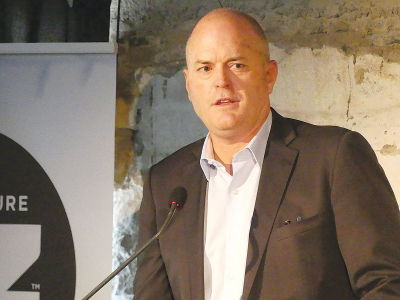 National’s climate change spokesman Todd Muller.
National's climate change spokesman Todd Muller says the proposed target for methane reduction puts the New Zealand agricultural sector at “real risk”.
Muller has spent the best part of 12 months negotiating with Climate Change Minister James Shaw to get a workable, bi-partisan deal on agricultural emissions. He told Rural News the proposed methane targets are “widely overdone” and set an “unjustifiable target” for the NZ farming sector.
“There is a body of credible advice – such as recently from the Parliamentary Commissioner for the Environment (PCE) and Victoria University’s David Frame – that advocates far more sensible targets for methane,” he says.
“Why James Shaw has just plucked this number from an IPPC report – which is hugely profound in the 26-47% range – is beyond me.”
Muller says he was surprised by the methane targets and was given no indication of this until just before they were announced. He says his discussion with Shaw over the past year had been constructive and he was hoping for a more realistic target on methane.
“However, after eight weeks of silence (from Shaw before the targets were announced) it is now clear that this is a Labour, NZ First and Greens deal.
“Methane reductions of this volume without the necessary onfarm innovations – which we do not have currently – mean the only option for farmers is destocking and this will have huge ramifications for both the rural and wider NZ economy.”
Muller says his caucus was yet to meet and discuss what National’s formal response would be to the methane targets and the overall bill. He expected this to happen by late May. In the meantime, he also was expecting the farming sector’s leaders to voice their concerns about the proposed methane targets.
“My expectation is for them to voice their concerns most strenuously and strongly.”
Meanwhile, National’s agriculture spokesman Nathan Guy has reiterated the concerns expressed by farming bodies about the Climate Change Bill.
“Their concern is that the methane reduction target (minus 24-47% by 2050) is not backed by solid science,” he says. “The economic analysis is eye watering and shows billions of dollars in costs that will bite rural communities hard.”
He says farmers will continue to make changes onfarm backed by good science and technologies.
Guy also claims that despite NZ First supporting the methane target, the blowback from the rural sector will cause the party to “squirm and ultimately shift positions”.
The Ballance Farm Environment Awards are coming to the West Coast of the South Island.
Climate, nature and animal wellbeing make up Fonterra's refreshed sustainability roadmap released last week.
There's been widespread support from the primary sector for the Government's announcement on changes to freshwater farm plans that come under the Natural Environment Bill, which is now set to replace the existing RMA.
The chair of the country's environmental regulator, the Environmental Protection Authority (EPA), says changes are already under way to improve the performance of the agency to better meet the needs of those who interface with them.
New Zealand's Emissions Trading Scheme (NZ ETS) encourages afforestation while not achieving climate goals, says a new report released by the Parliamentary Commissioner for the Environment, Simon Upton.

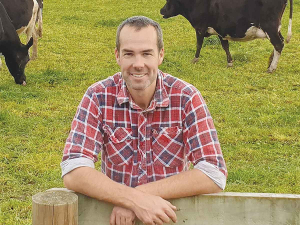
DairyNZ deputy chair Cameron Henderson has been re-appointed unopposed for another term.
Farms across the upper North Island are trialling different pasture mixes as part of a research programme that aims to build greater resilience into farming systems.
Election years are always a concerning time for farmers, according to DairyNZ chair Tracy Brown.
The Ballance Farm Environment Awards are coming to the West Coast of the South Island.
Most dairy regions around the country have had a pretty good season so far says Tracy Brown.