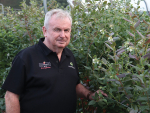
Blueberries Could Be NZ's Next $150m Horticultural Export
Blueberries have the potential to become a major horticultural export, earning up to $150 million within the next three to five years.
 increase font size
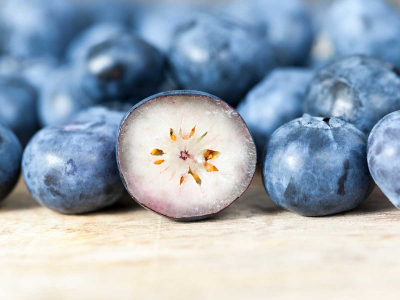 The main blueberry season is now getting underway.
Kiwis ate a record seven million punnets of fresh locally-grown blueberries last season and are expected to eat even more this summer.
Latest supermarket sales data shows Kiwis bought an extra one million punnets of blueberries (18.3% more) last summer compared to the year before, with total sales now exceeding $25 million.
New Zealand Olympian Eliza McCartney has signed on to be Blueberries’ NZ ambassador for the fourth year running and the organisation’s chairman, Dan Peach, credits this high-profile partnership and general health trends for the big rise in sales.
“Eliza is a wonderful person to work with and our association with her certainly adds to the growing popularity of blueberries,” he says.
“New Zealanders are now more aware of the extraordinary health benefits so they’re choosing to eat blueberries in greater quantities than ever before.”
Blueberries are a superfruit and contain higher antioxidant levels than just about every other fruit and vegetable, says Dan. The flavonoid, anthocyanin, gives blueberries their colour and is the antioxidant with the greatest impact against free-radical damage.
Antioxidants in blueberries slow down the brain’s aging process, therefore delaying mental decline. They are also anti-inflammatory and inflammation is the key driver of all chronic disease, Dan explains.
“Blueberries pack a real punch with the positive effect they have on gut health, anti-aging and brain function, and can lower the risk of heart disease and cancer.”
Dan says parents will be interested to know that blueberries assist with memory, particularly in children, as foods rich in flavonoids help with cognitive brain function.
“We’re thrilled that a growing number of New Zealanders are recognising the health benefits and incorporating fresh blueberries into their diets,” Dan says. “They’re an easy way to improve your mood and the bottom line is they taste delicious.”
Thanks to greenhouse innovations, blueberries are now grown under cover year-round but the main supply runs from December until March which is when consumers can expect the best value for money.
“There will be plenty of blueberries available in supermarkets from now on and with Eliza’s help, local growers will try to keep raising the bar in terms of the annual sales figures we can collectively achieve.”
Blueberries have the potential to become a major horticultural export, earning up to $150 million within the next three to five years.

New Zealand needs to make sure that it continues to focus on its own food security, according to HortNZ board member and blueberry grower Dermott Malley.
Blueberries are likely to have a bumper season as the warmer El Niño weather pattern arrives in New Zealand ahead of peak blueberry season in mid-January.
The blueberry industry is reassuring New Zealanders that the popular fruit will still be available this Christmas.
NZ blueberry growers now have access to new varieties with large, tasty fruit ideal for export.



Federated Farmers has welcomed new rural policies released by ACT, saying they align closely with its own election priorities.

Rural Contractors NZ says proposed changes to land transport rules for agricultural vehicles are a welcome response by the Government to out of date regulations which have seen members hit with huge fines.
Alliance is calling for final applications for its 2027 Graduate Programme, with applications closing on Sunday 25 October.
Decades piloting planes has ensured vet and farmer David Hayes is focused on safety. So, after a serious accident while welding on farm, he is sharing his experience so others can learn from it.
Canterbury milk processor, Synlait Milk has confirmed Leon Fung as its chief executive officer.
OPINION: Making it easier to collect rainwater and use it to grow crops and livestock is a no brainer.




