Mark Hooper Joins NZPork Board as Independent Director
Rural leader Mark Hooper has been appointed as an independent director to the NZPork board, bringing extensive farming, governance and advocacy experience to the role.
 increase font size
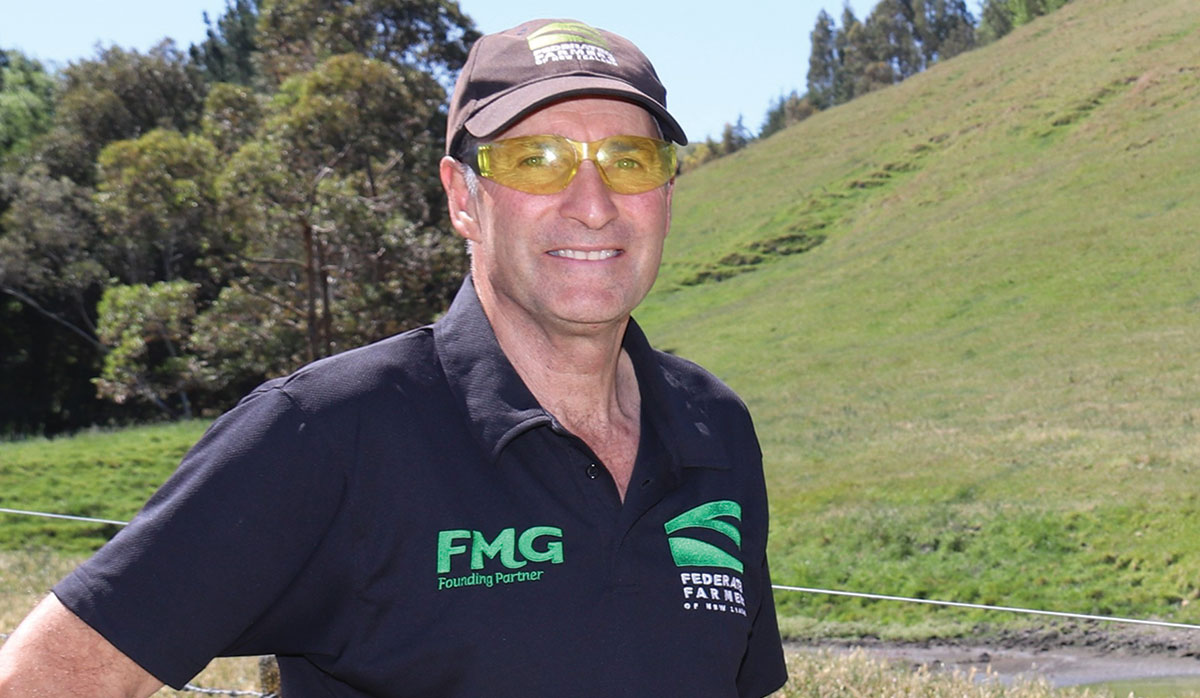
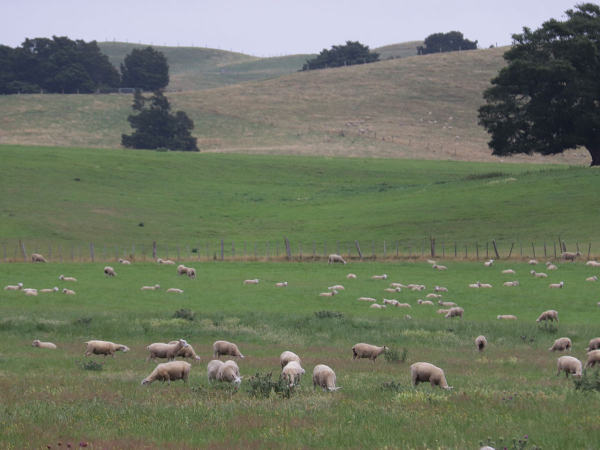 Federated Farmers Hawke's Bay president Jim Galloway says the availability of stock water is a problem on some farms.
Sheep and beef farmers in Hawke's Bay are being urged to keep a close eye on the wells that supply water to their stock.
This is despite some significant rain in the region over the past month.
Federated Farmers Hawke's Bay president Jim Galloway says the availability of stock water is a problem on some farms and he knows of one well that has run dry and others that are running low.
His comments tie in with reports from the Hawke's Bay Regional Council which says, while recent rains have offered some relief, regional hydrology is still reflecting the warm and dry conditions. They add that river flows across much of the catchment remained below their long-term averages, with the exception of catchments in the north of the region where flows are near or above normal.
Driving through the region the colour of the landscape has changed from brown to green in the last month or so and Jim Galloway says the situation is variable and some areas aren't looking too bad.
"We had significant rain between Christmas and new year. On my farm we had about 70mm. Some areas had more, so in general, Hawke's Bay had above average rainfall for December and we went from brown to green and we have stayed green," he says.
Galloway says they had rain in the middle of November and more in early December. But he says the 'green look' from a distance is deceptive because the grass is very thin and very sparse.
"Instead of a lot of grass plants per square metre, there are only a few and the grass is short. Effectively what we are experiencing is a green drought," he says.
Galloway says the green can turn to brown in a few days and the recent high temperatures and drying winds can quickly change the situation. He says the wind can suck the water out of the ground.
The regional council report also confirms what Gallway is saying. It says by the end of December, rainfall was above average for the region and even higher in southern Hawke's Bay, and ground water levels in some places are showing signs of improvement.
 |
|---|
|
Jim Galloway |
But the situation is far from stable and Galloway says many sheep and beef farmers have been selling stock early because they don't have the grass to feed surplus animals.
"My message to farmers is to make sensible decisions around stocking rates and keep an eye on the conditions. In particular, either check yourself or get someone with expertise to check the water level, you may need to deepen it to keep stock water going," he says.
Rural leader Mark Hooper has been appointed as an independent director to the NZPork board, bringing extensive farming, governance and advocacy experience to the role.
There's been widespread support from the primary sector for the Government's announcement on changes to freshwater farm plans that come under the Natural Environment Bill, which is now set to replace the existing RMA.
The terrible floods that hit the Wairarapa may have subsided, but the danger to farmers still exists, according to local Federated Farmers president Rob Hickson.
Will a stronger, more coordinated voice help rebuild confidence and improve returns in the wool sector?
New Zealand's pest problem has reached crisis point, according to Federated Farmers' second National Pests Survey, which shows farmers are spending more money and effort on control — yet pest numbers keep climbing faster than they were two years ago.

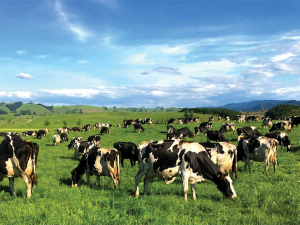
Most dairy regions around the country have had a pretty good season so far says Tracy Brown.
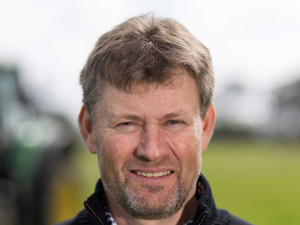
Rural leader Mark Hooper has been appointed as an independent director to the NZPork board, bringing extensive farming, governance and advocacy experience to the role.
Opportunity says its land value tax (LVT) is unlikely to force farmers into a position where asset sales or increased debt are required.
Milk powder prices are keeping farmgate prices up, helping processors offset the dip in milk fat prices.
Climate, nature and animal wellbeing make up Fonterra's refreshed sustainability roadmap released last week.
The Government is introducing a new nationwide rural recycling scheme that will significantly increase the recovery of farm plastics from March next year, Minister for the Environment Nicola Grigg announced today.